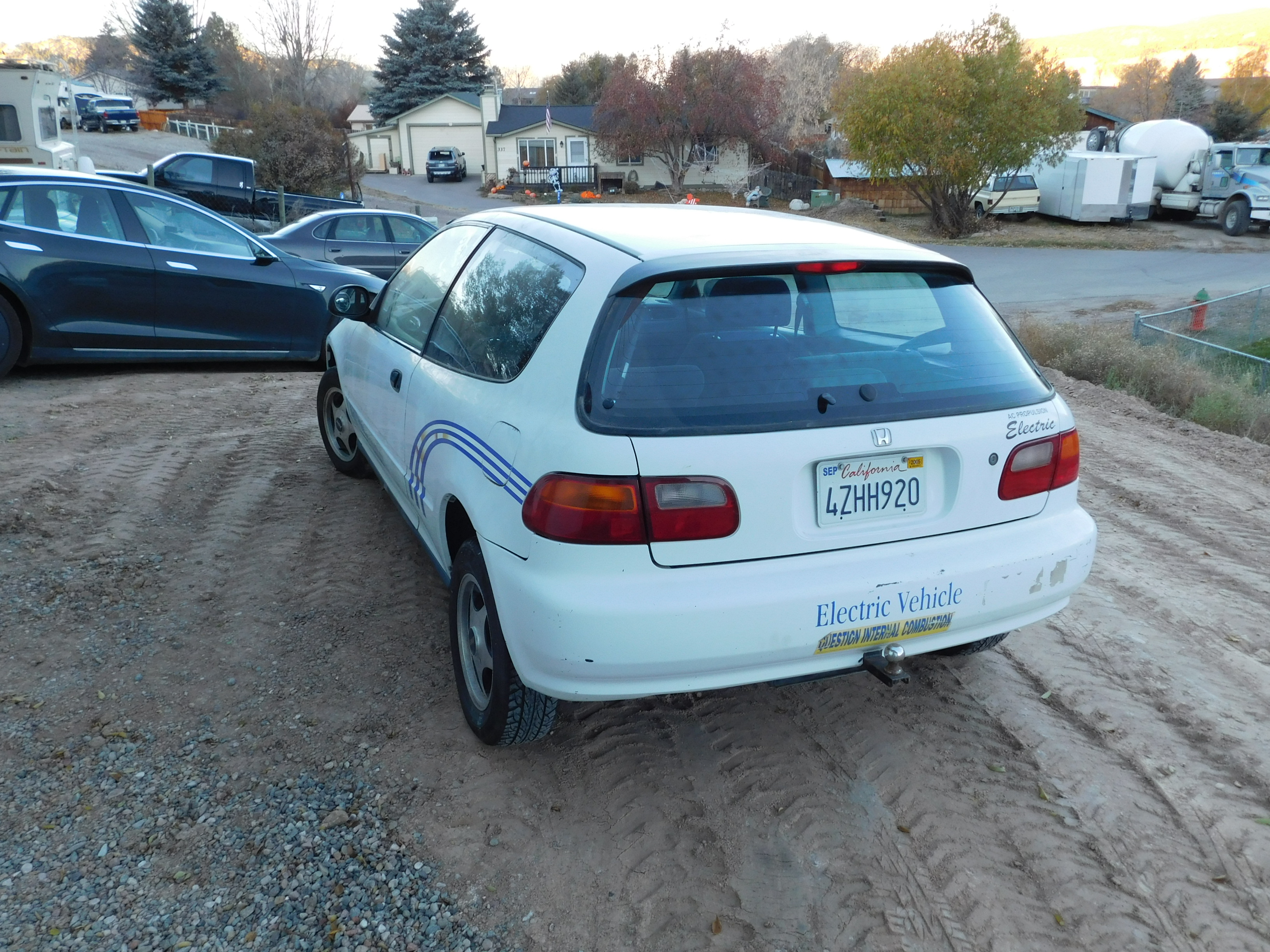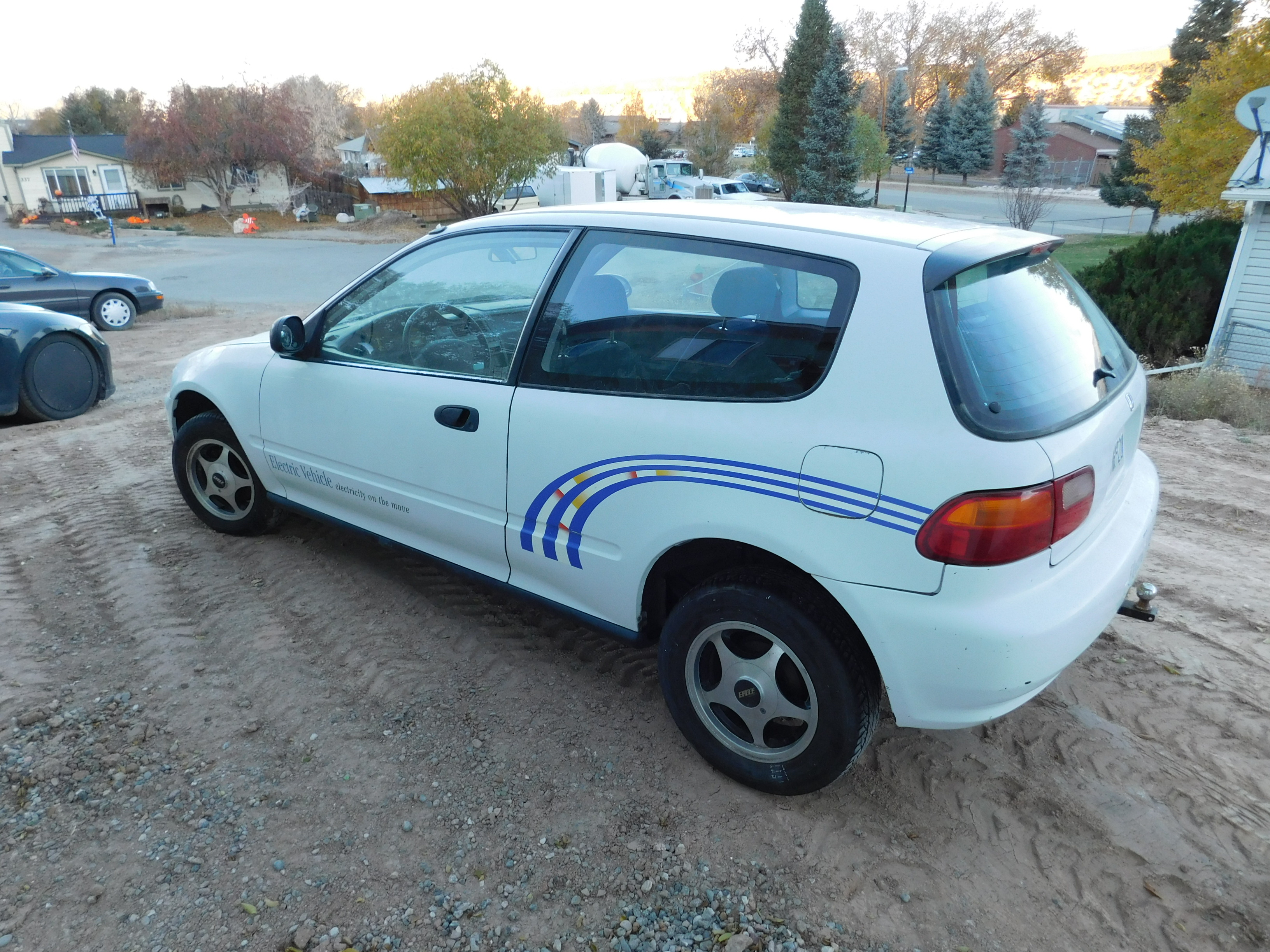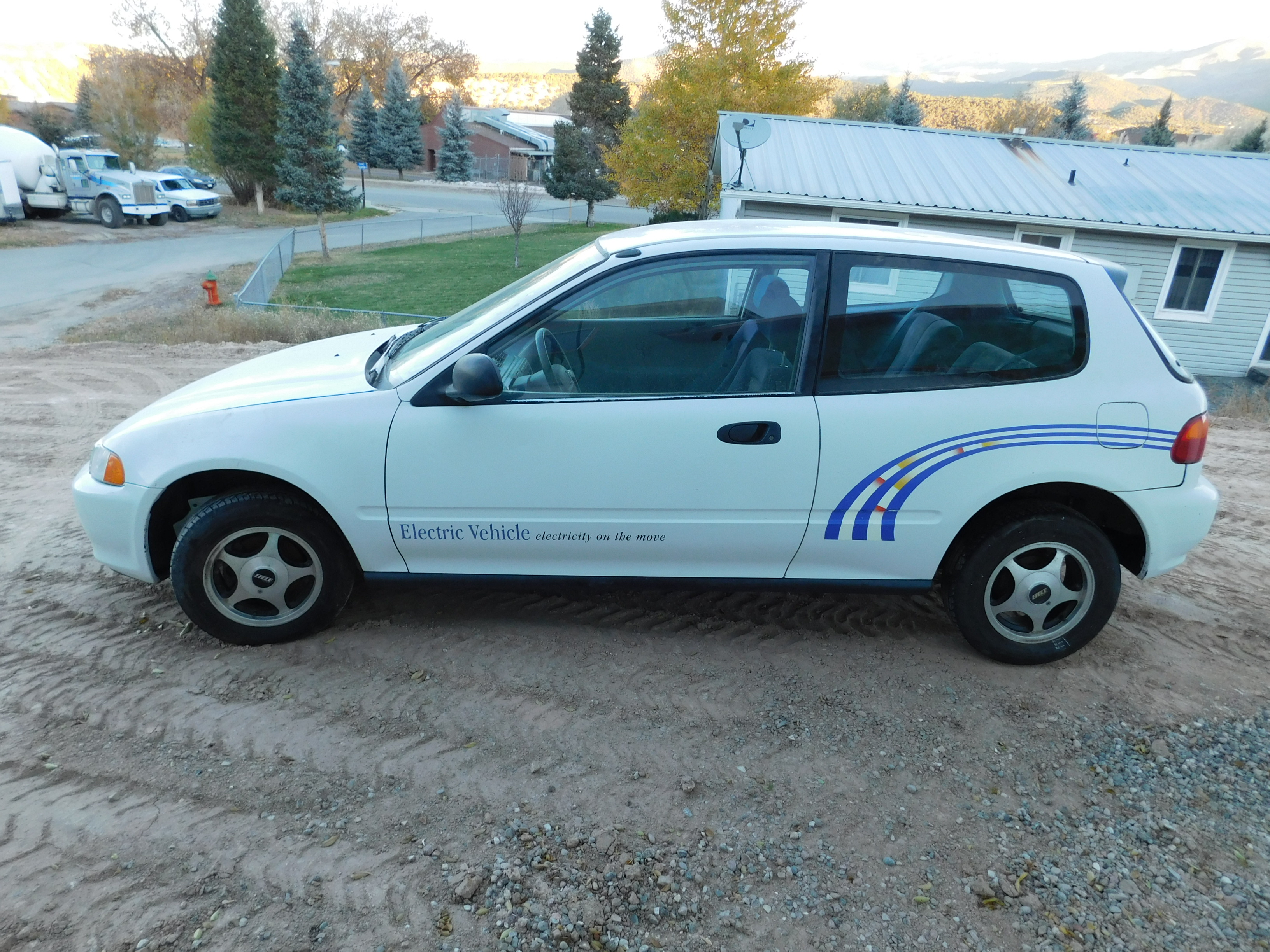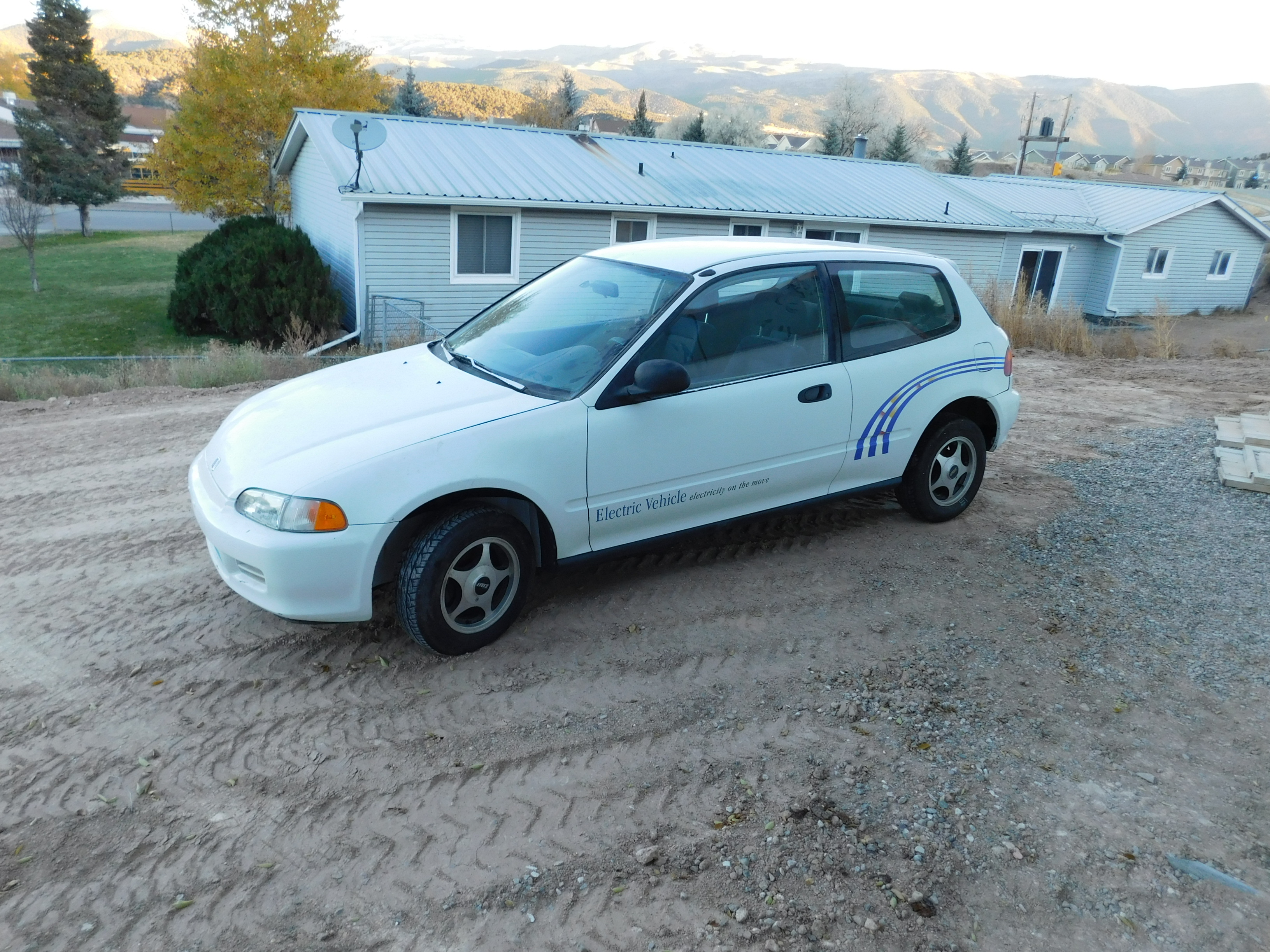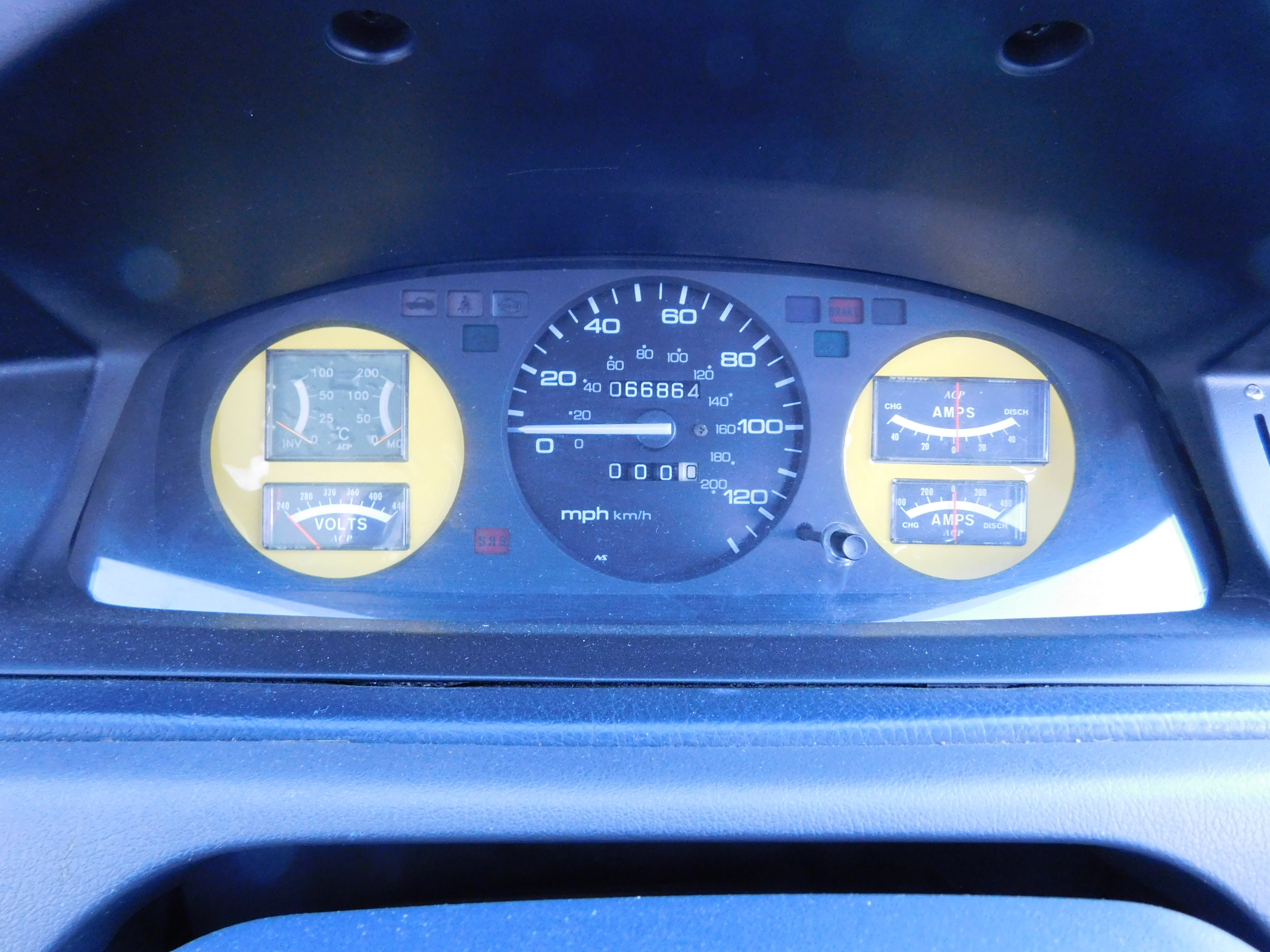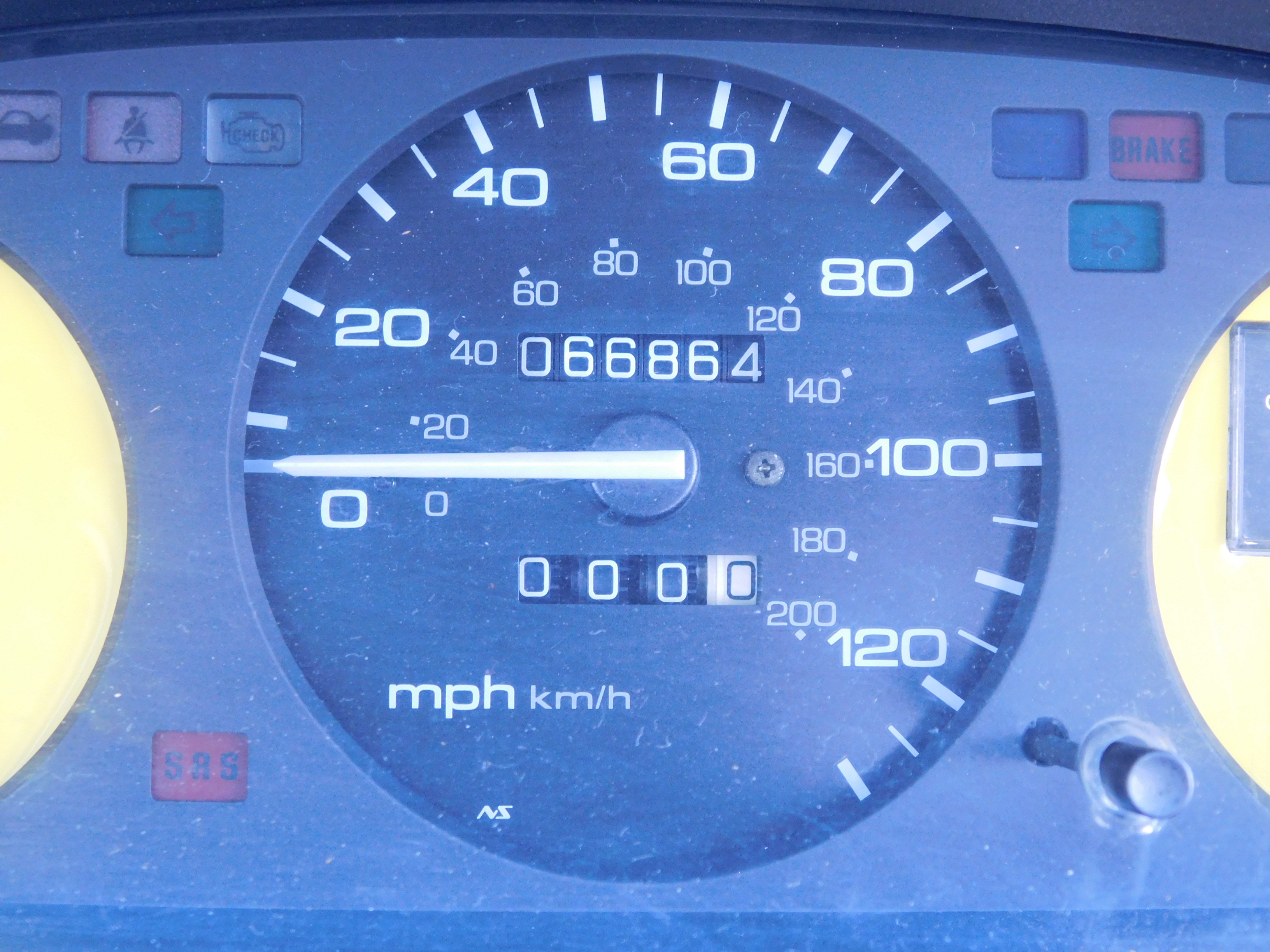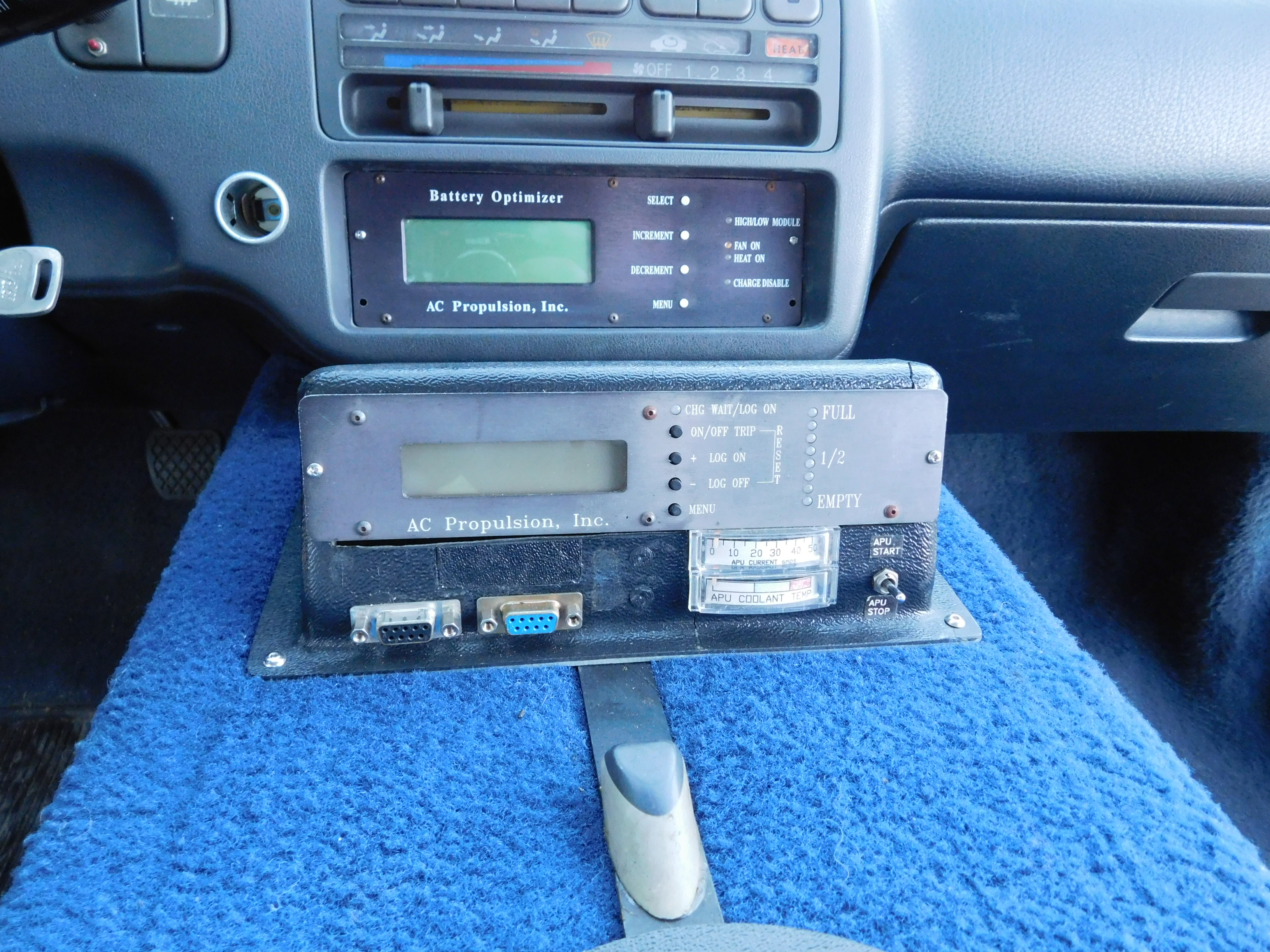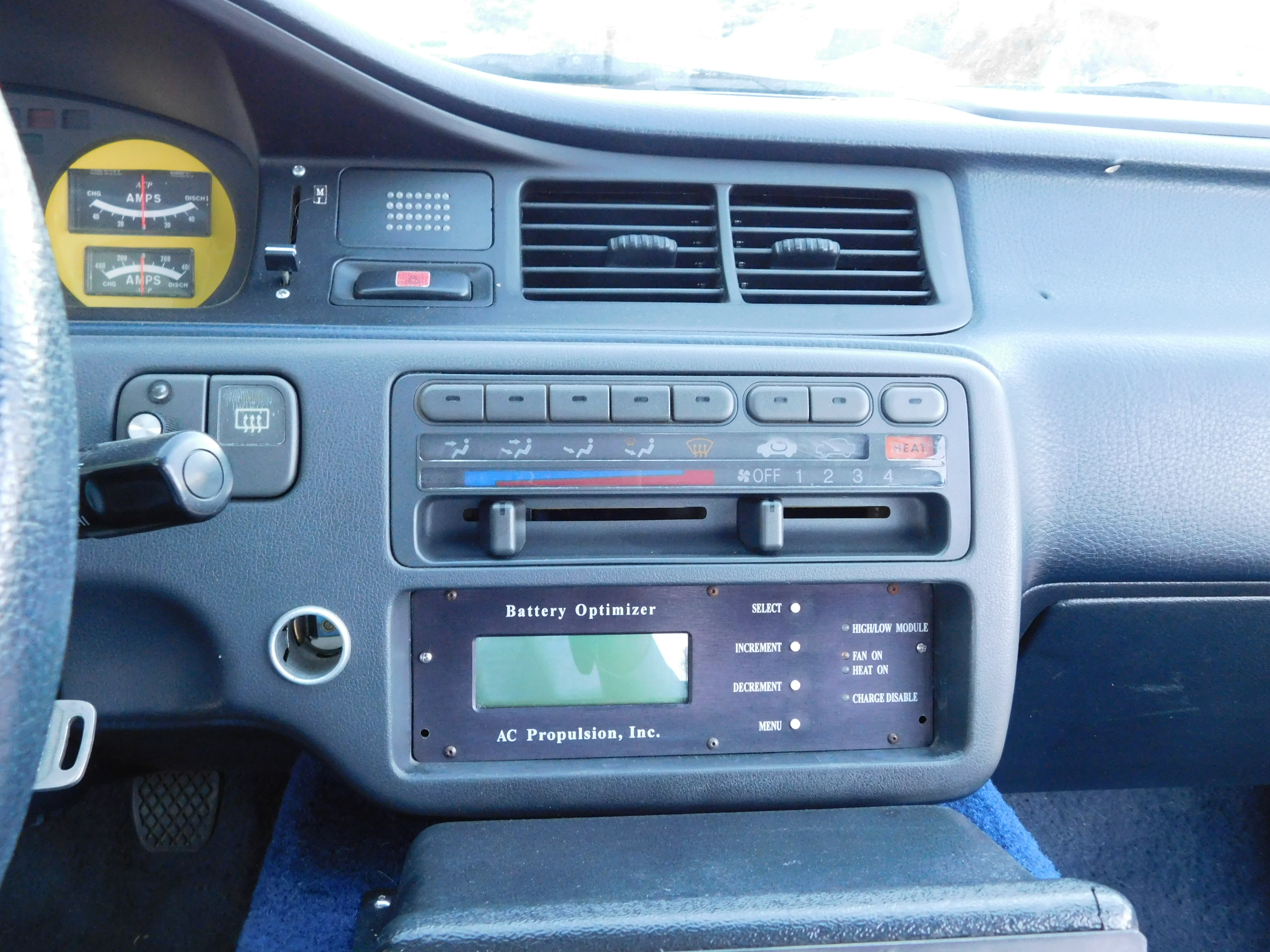


Vehicle Description
Designed by AC Propulsion & Alan Cocconi
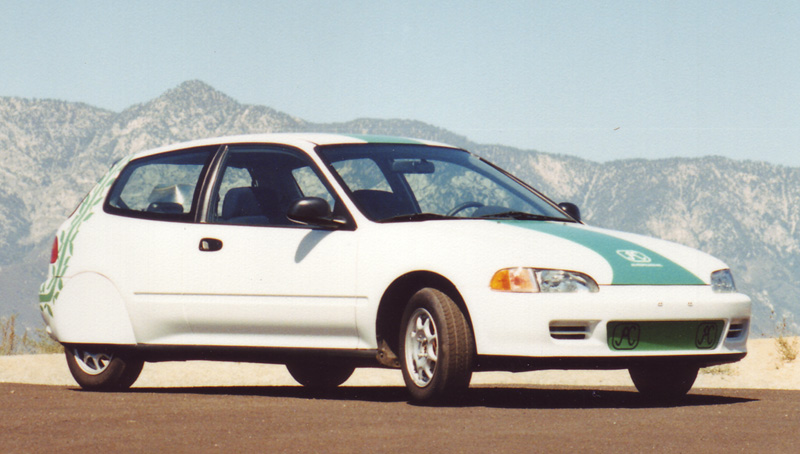
Honda Civic
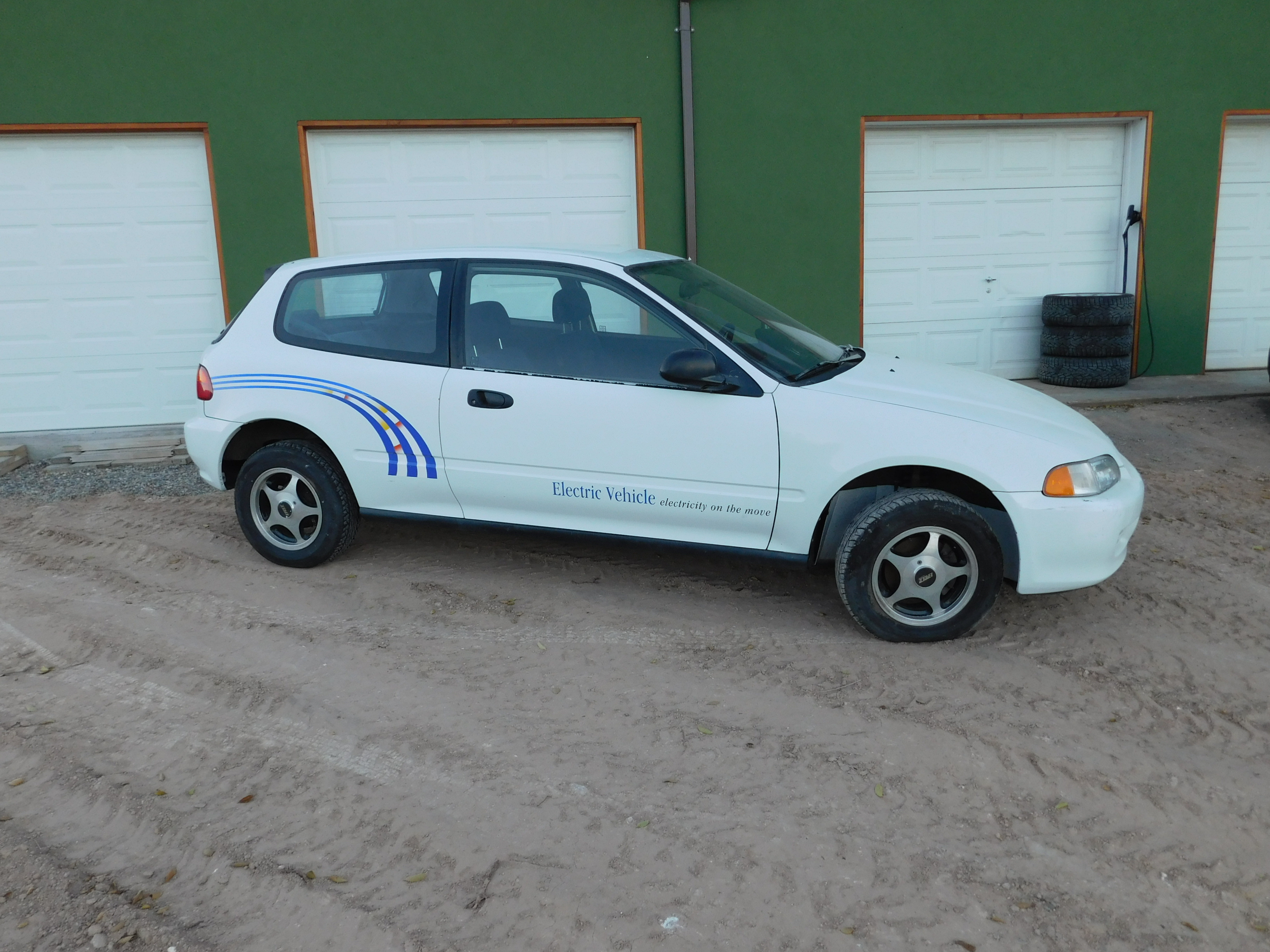
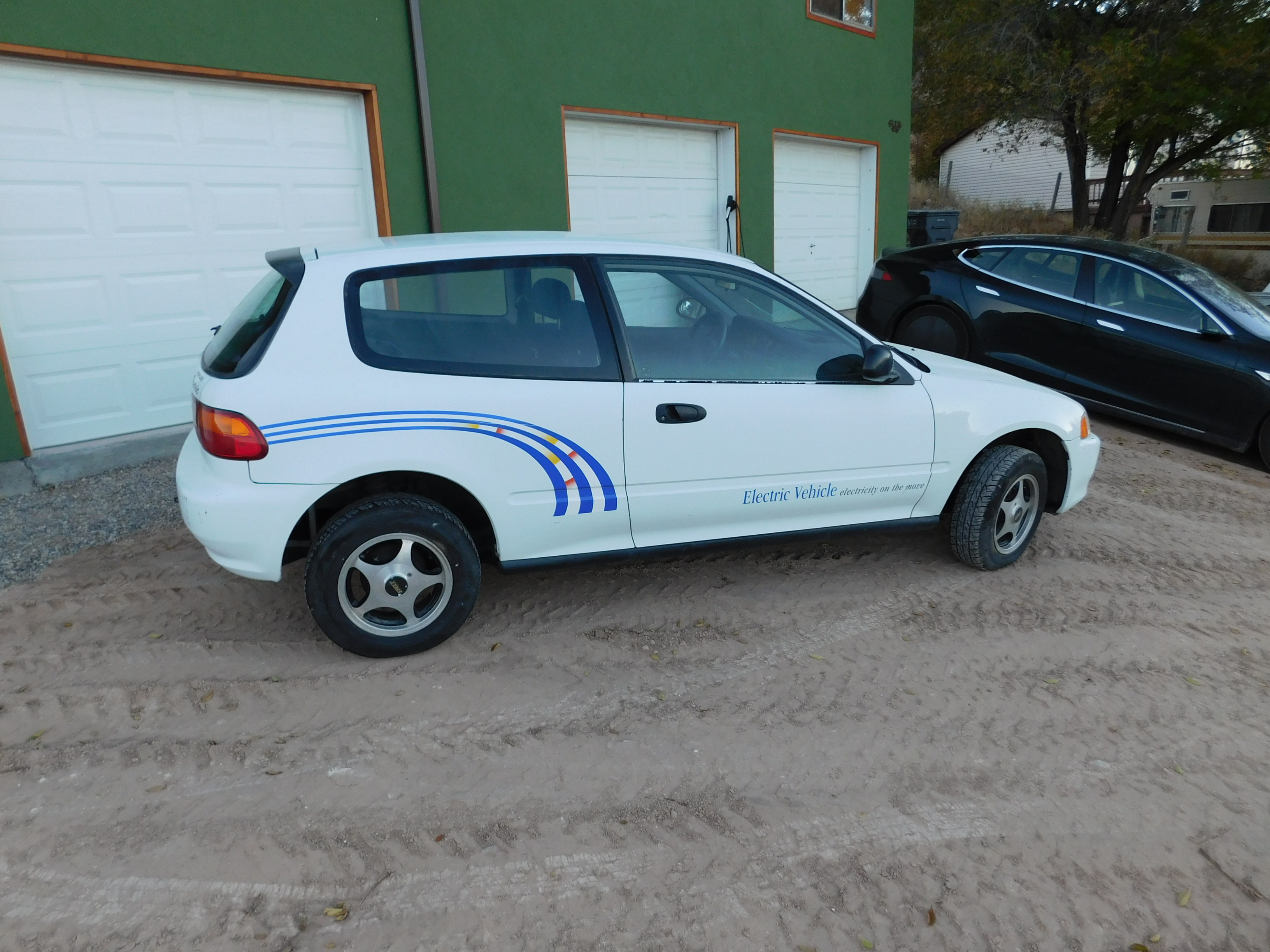
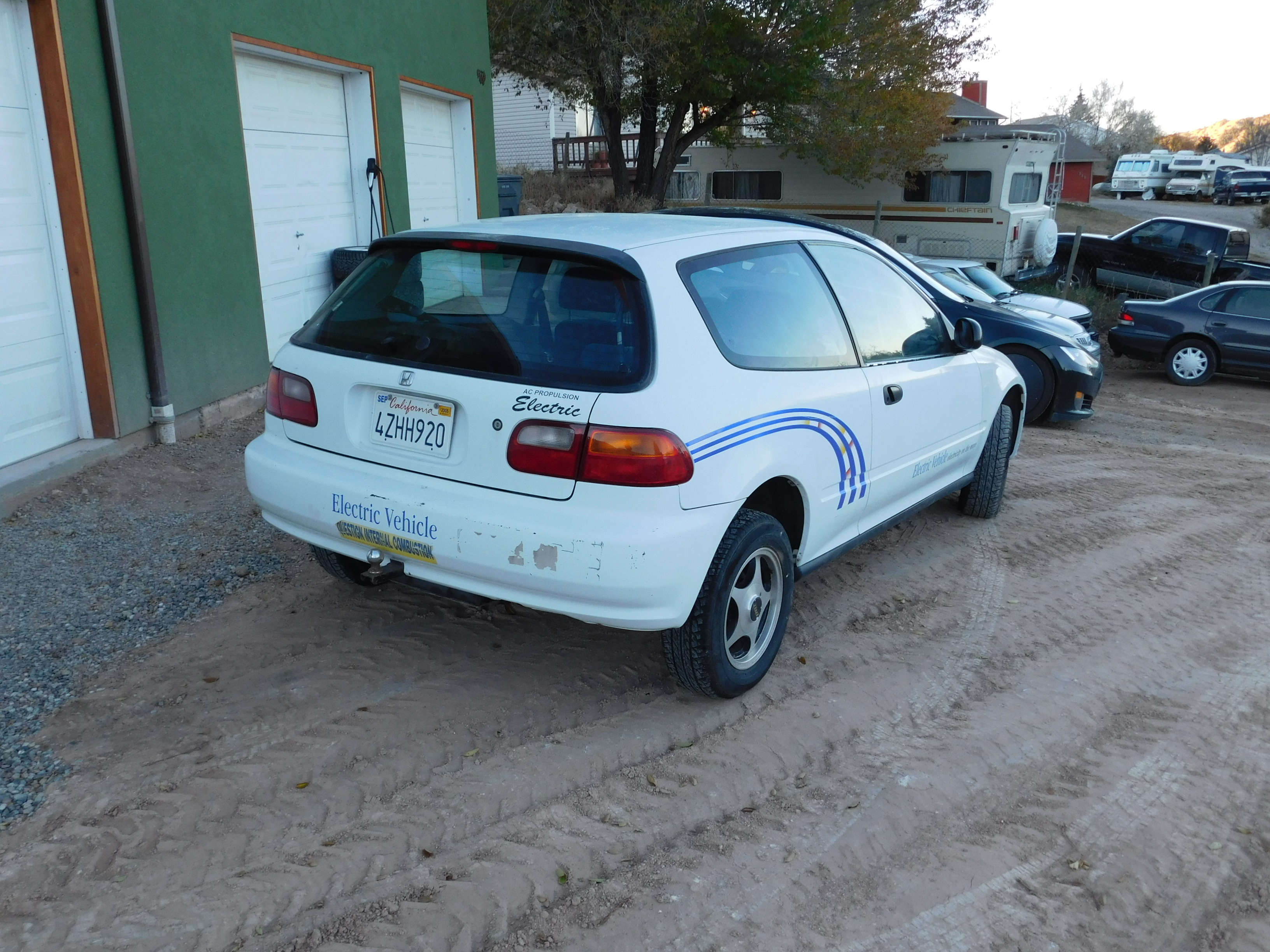
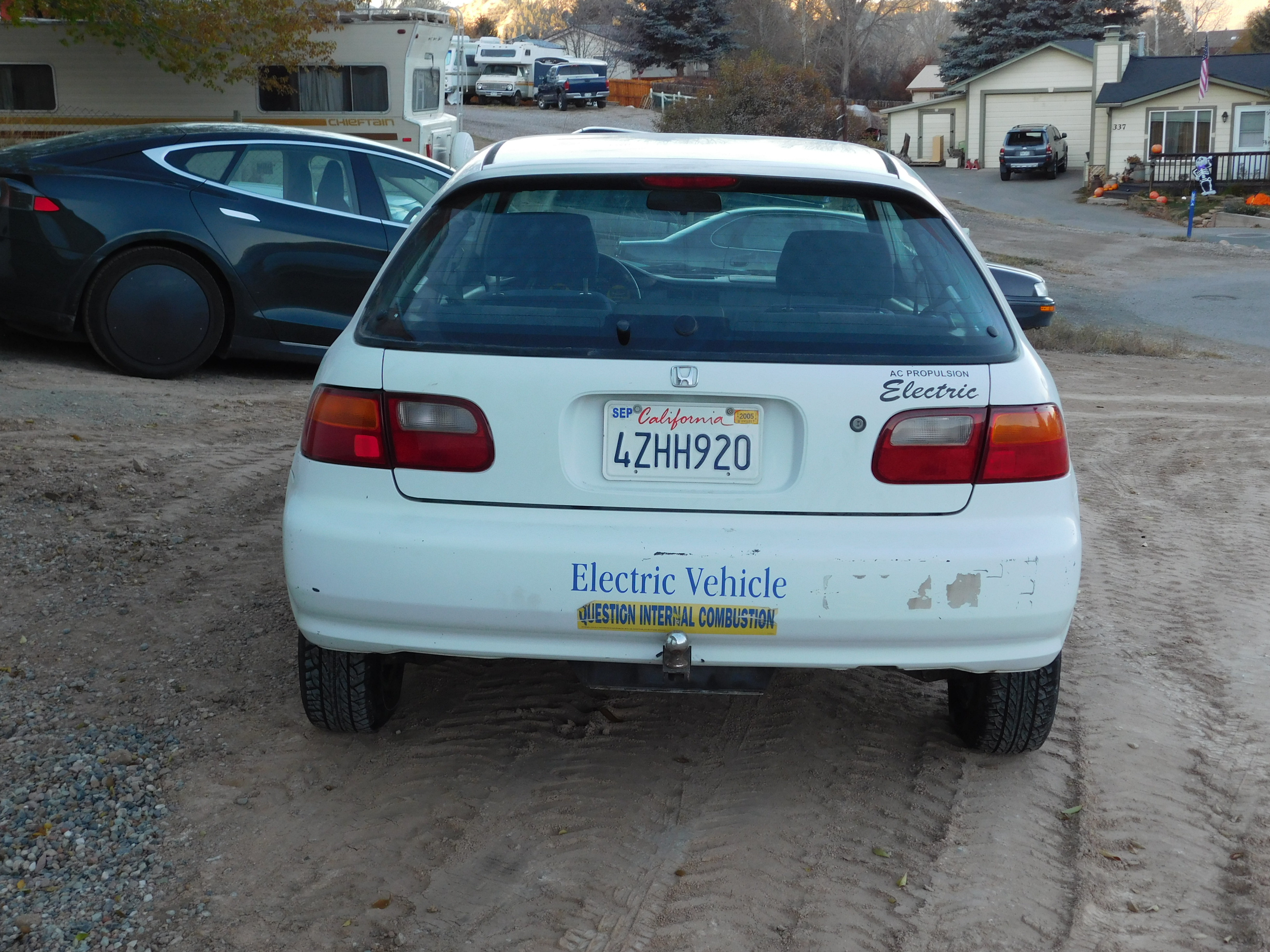
We acquired our A. C. Propulsion e-Civic in May of 2012. The original
ownership was held by Southern California Edison who acquired the vehicle
from ACP as one of their proof-of-concept test platforms. After SCE
the chassis was purchased by an Optima Battery
Company engineer who owned the car for 12 years. Beyond acknowledging
that the Honda numbers indicate a model year of 1995, we do not
know what actual year ACP converted the vehicle.
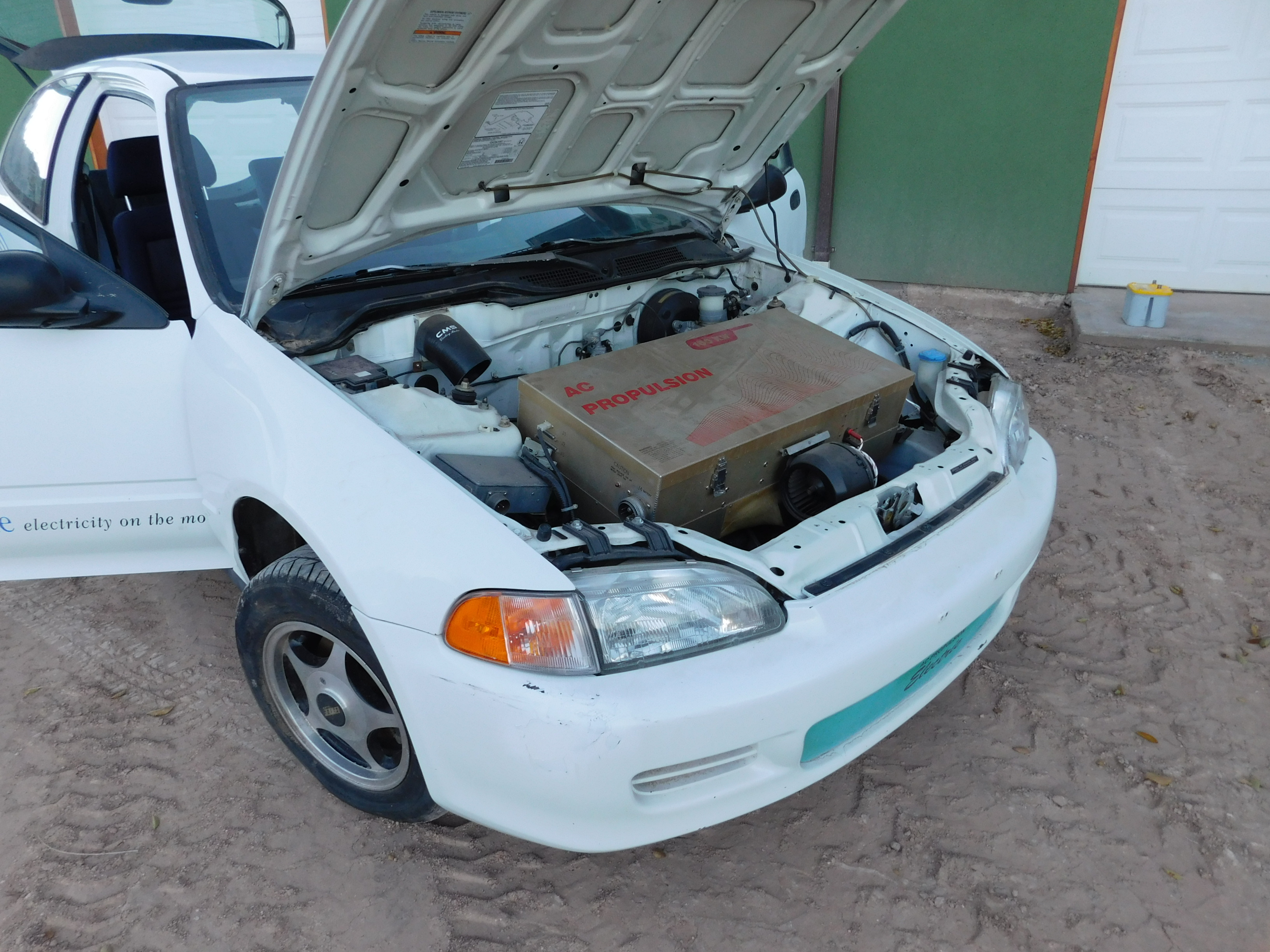
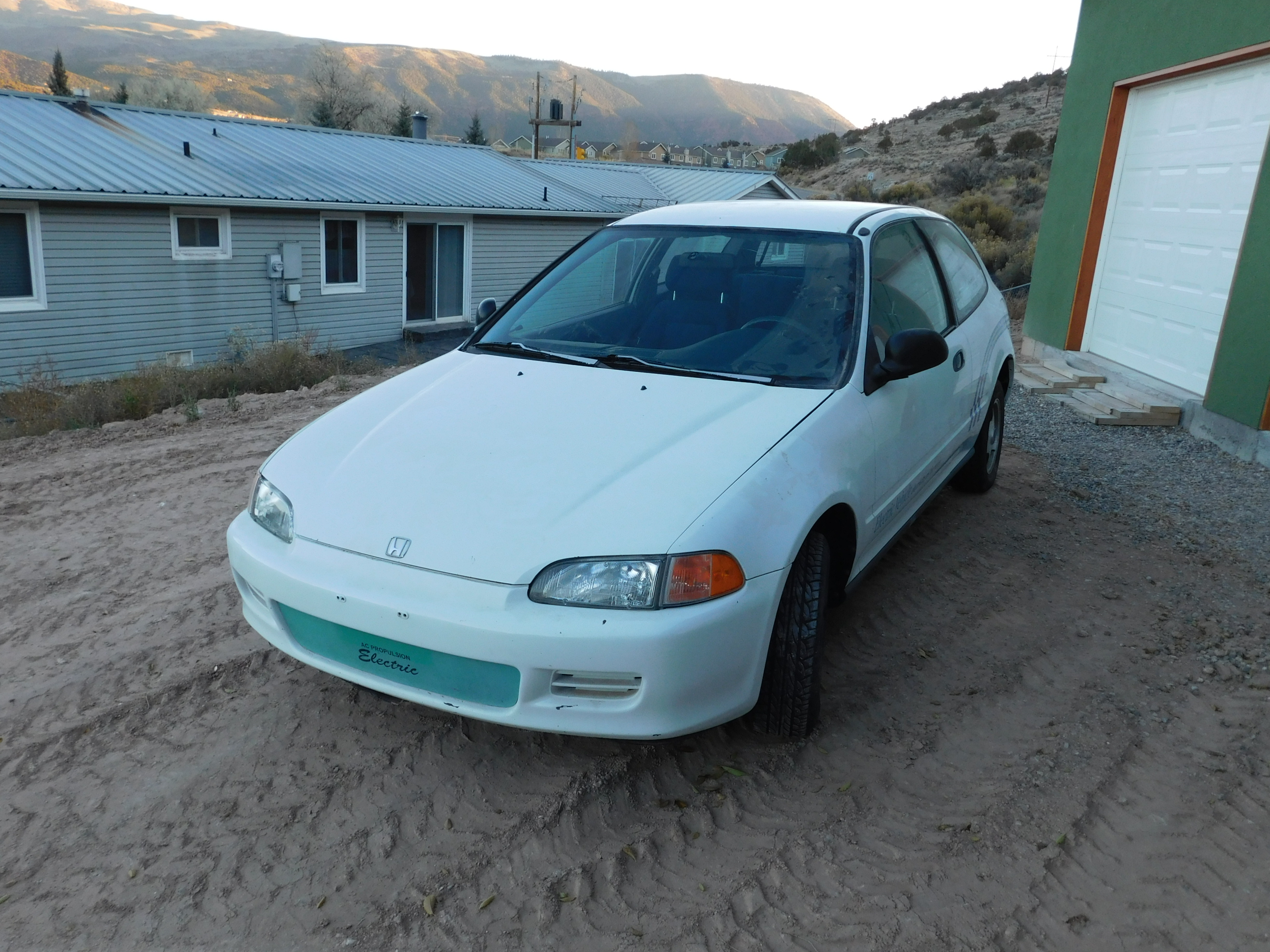
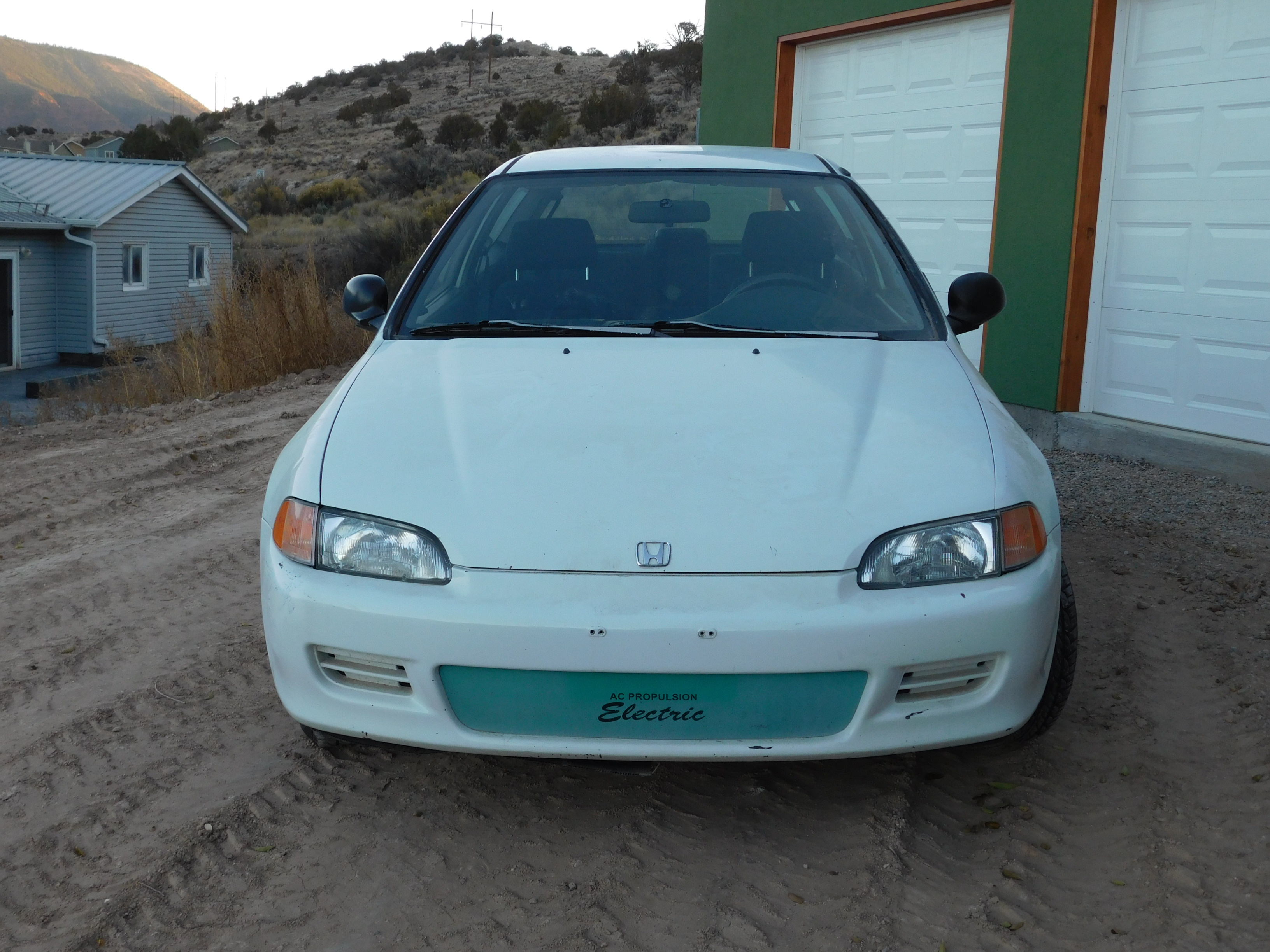
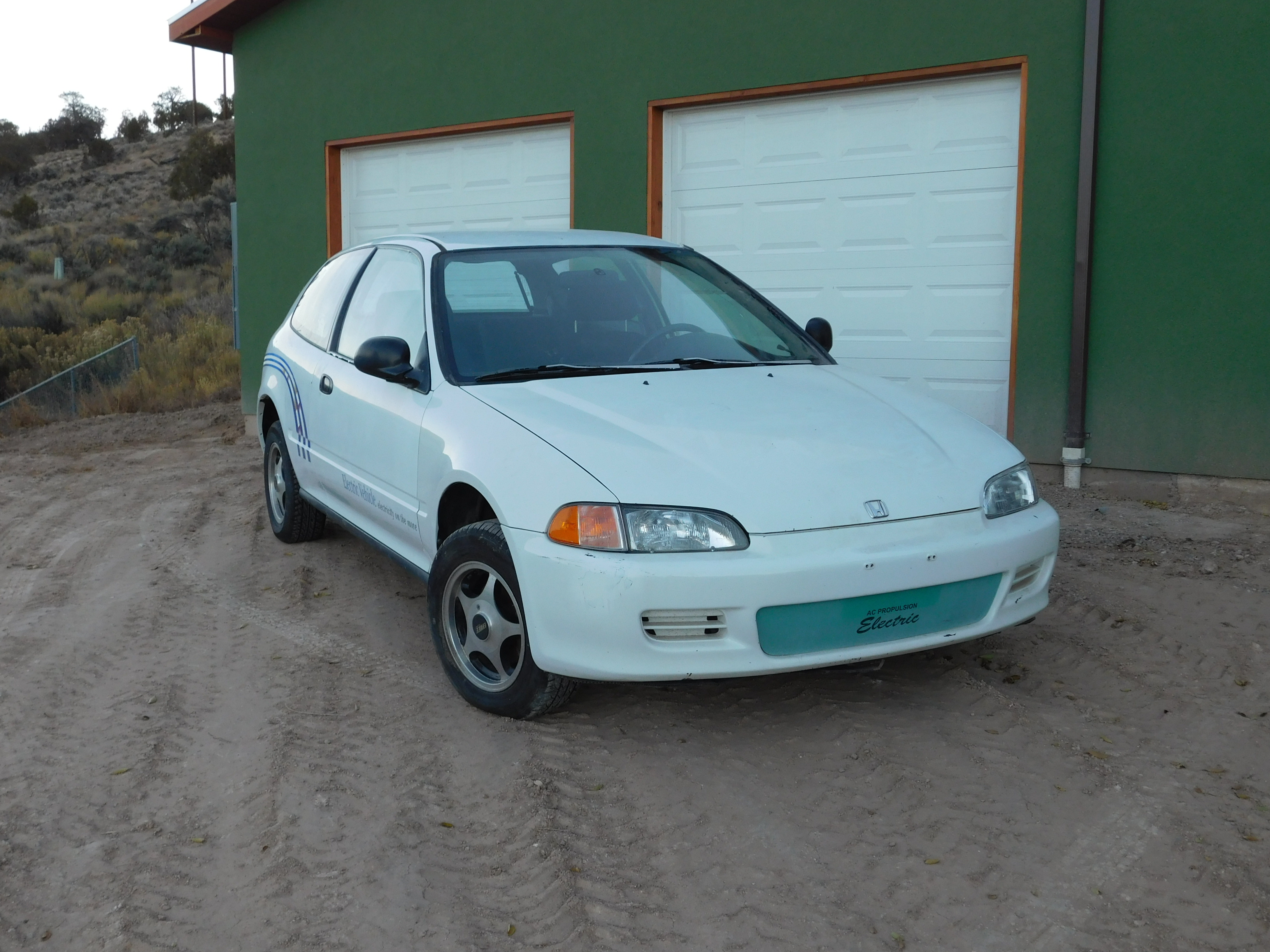
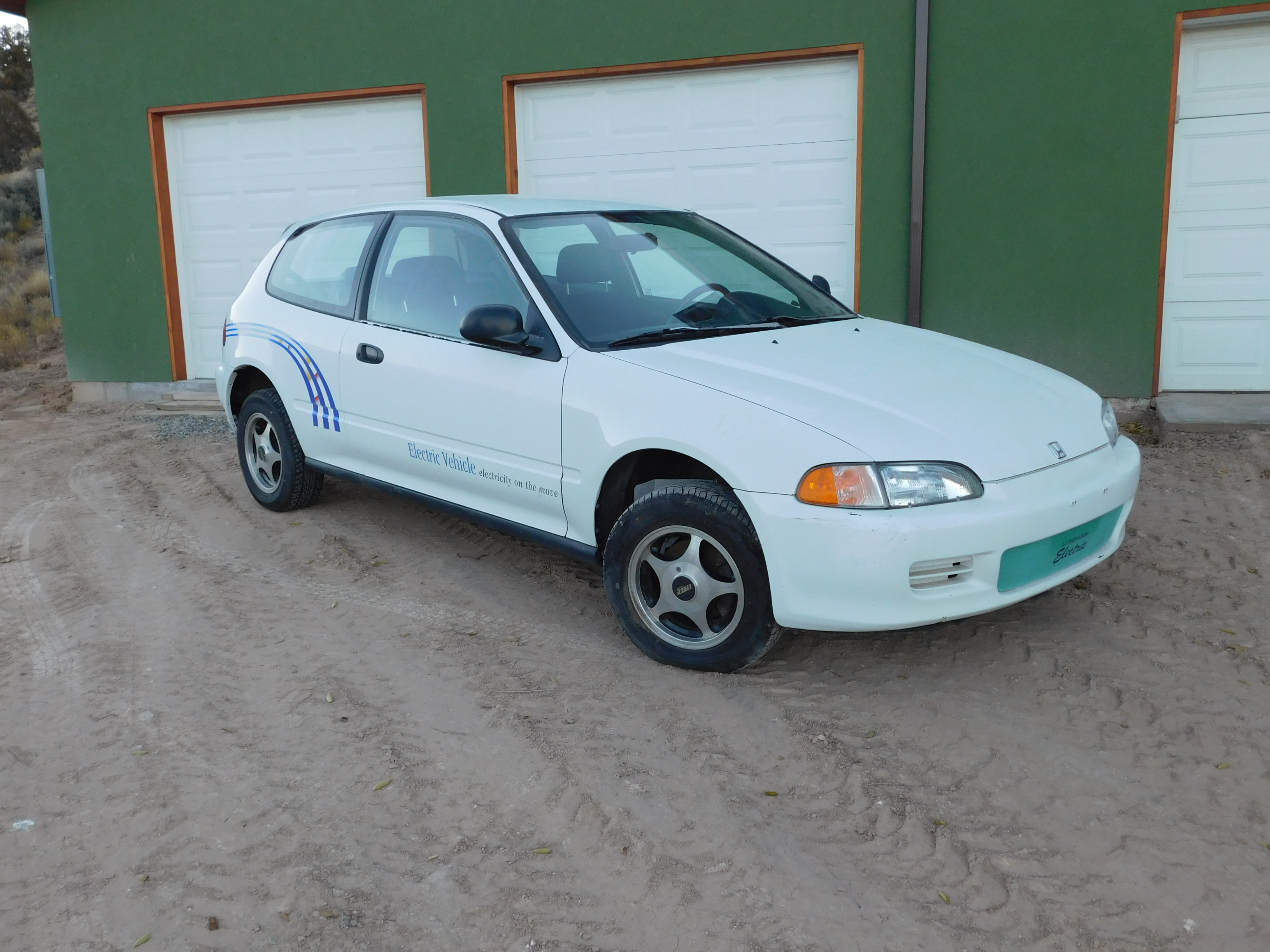
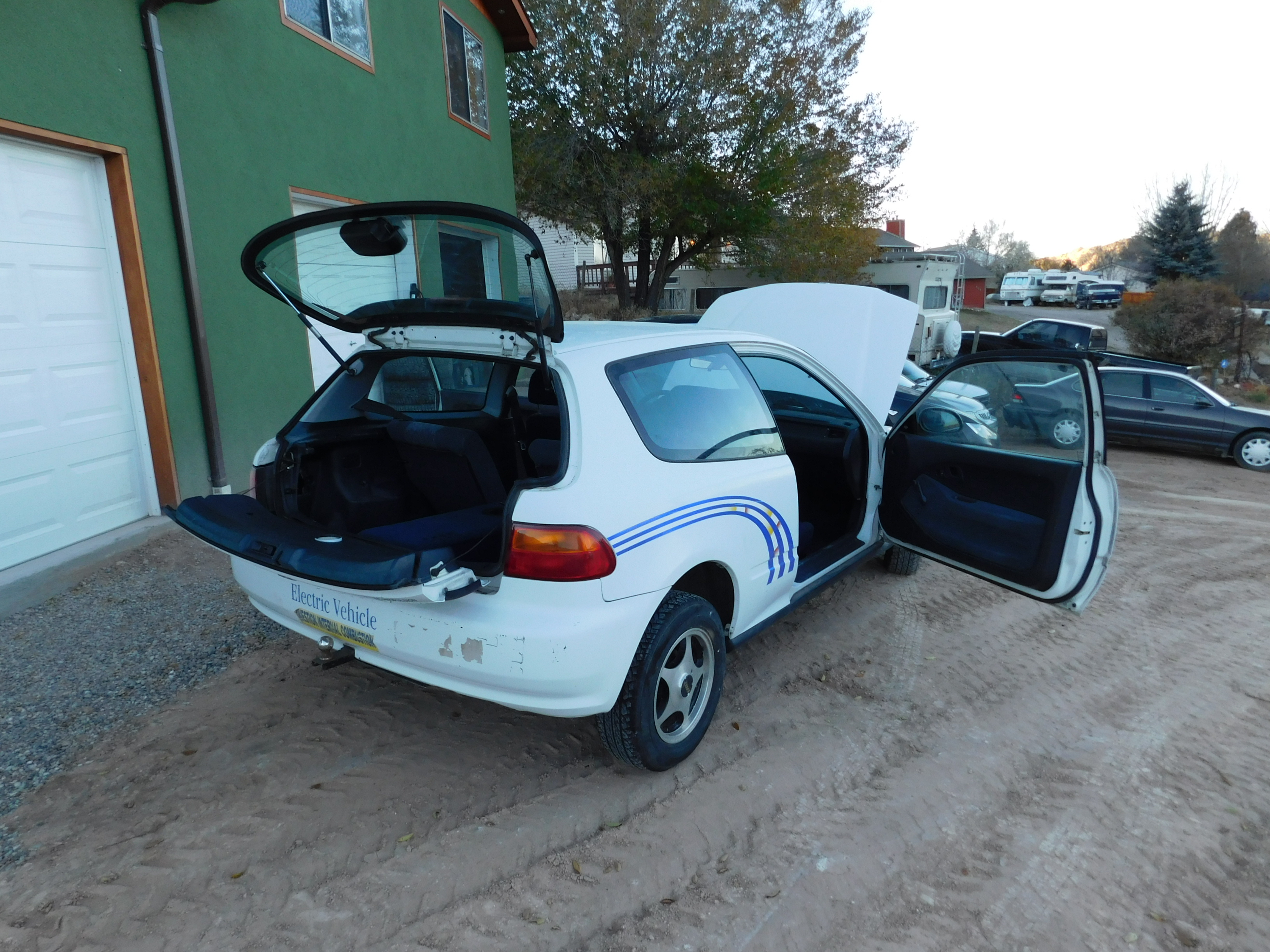
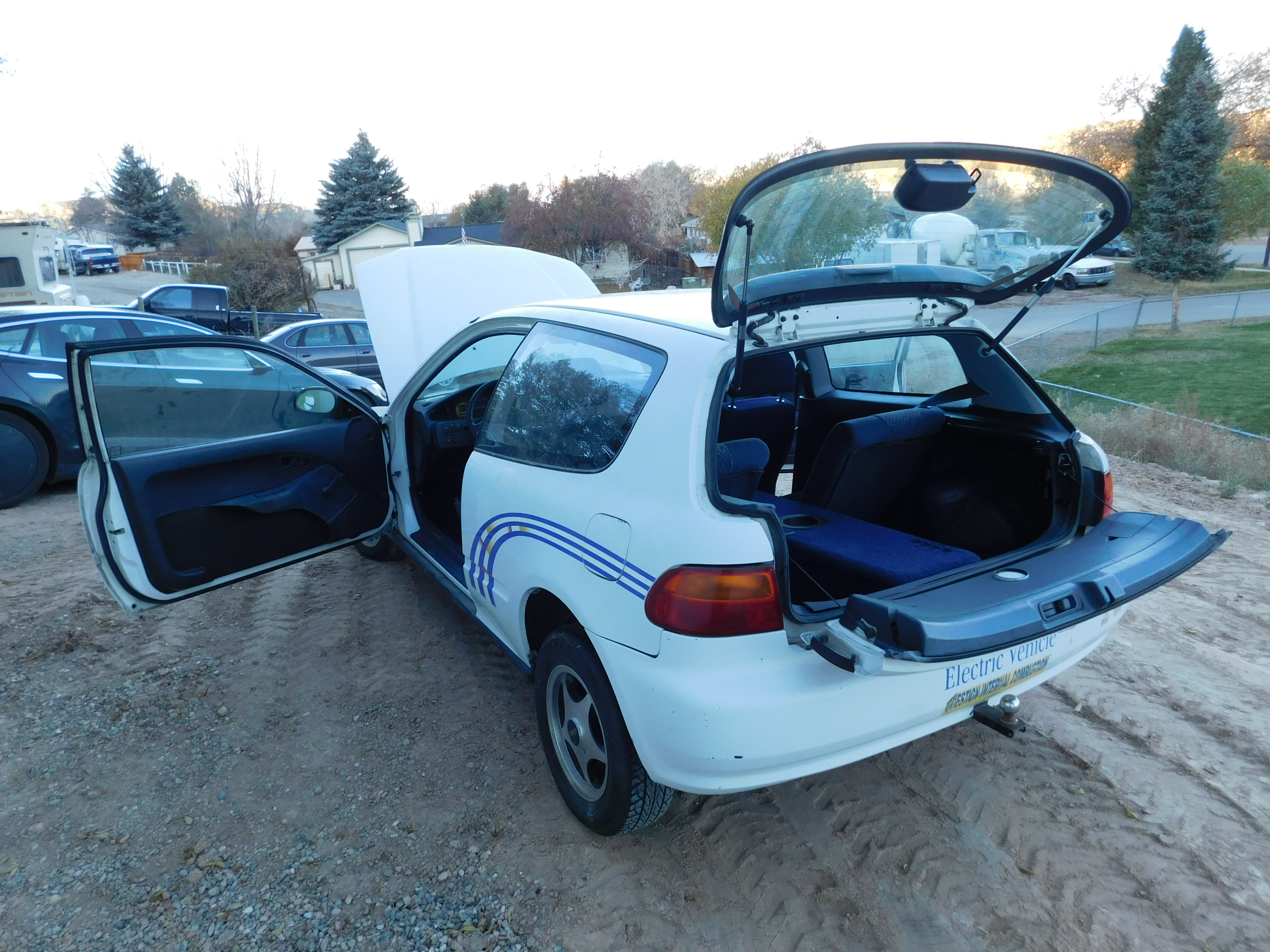
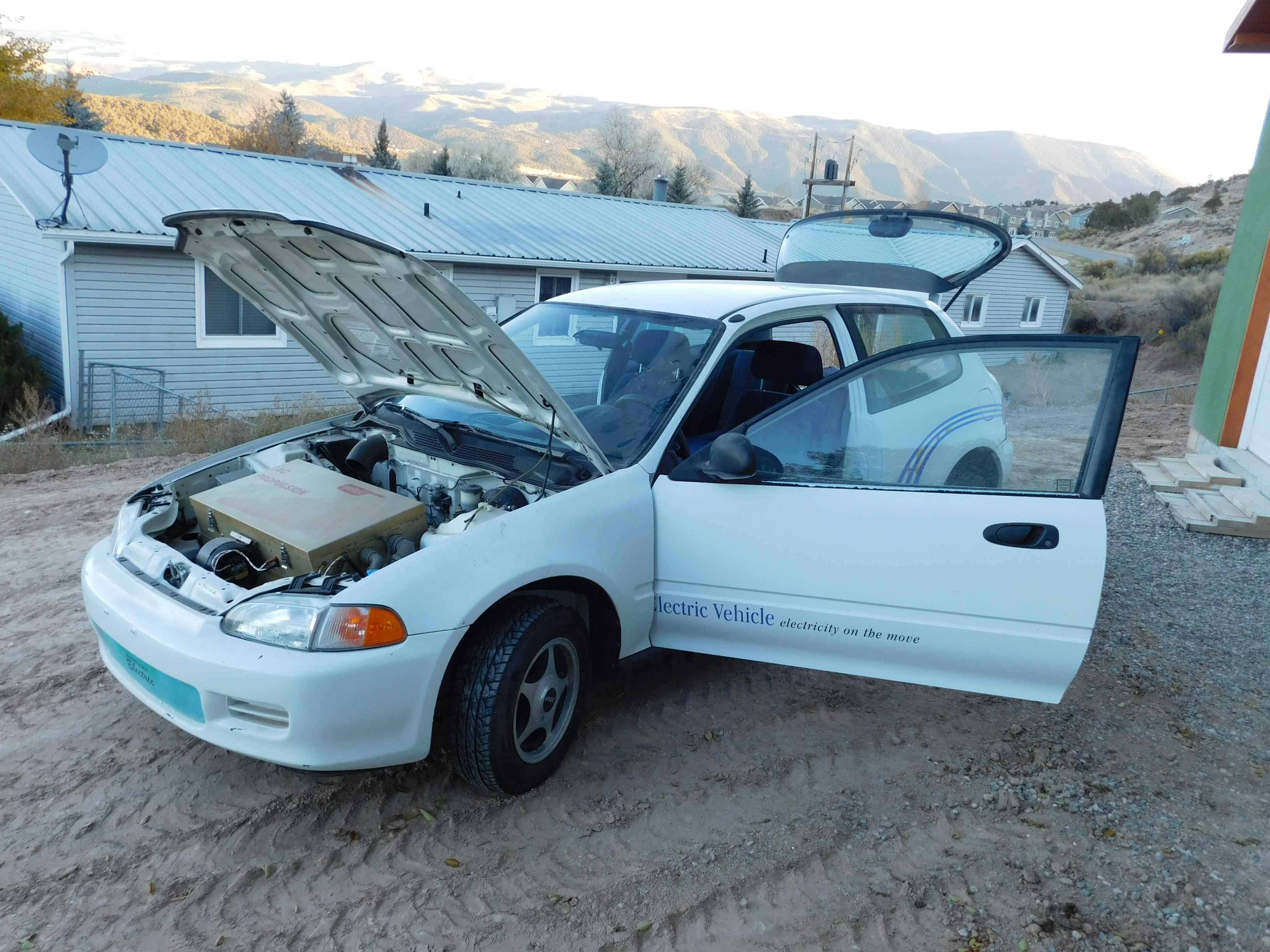
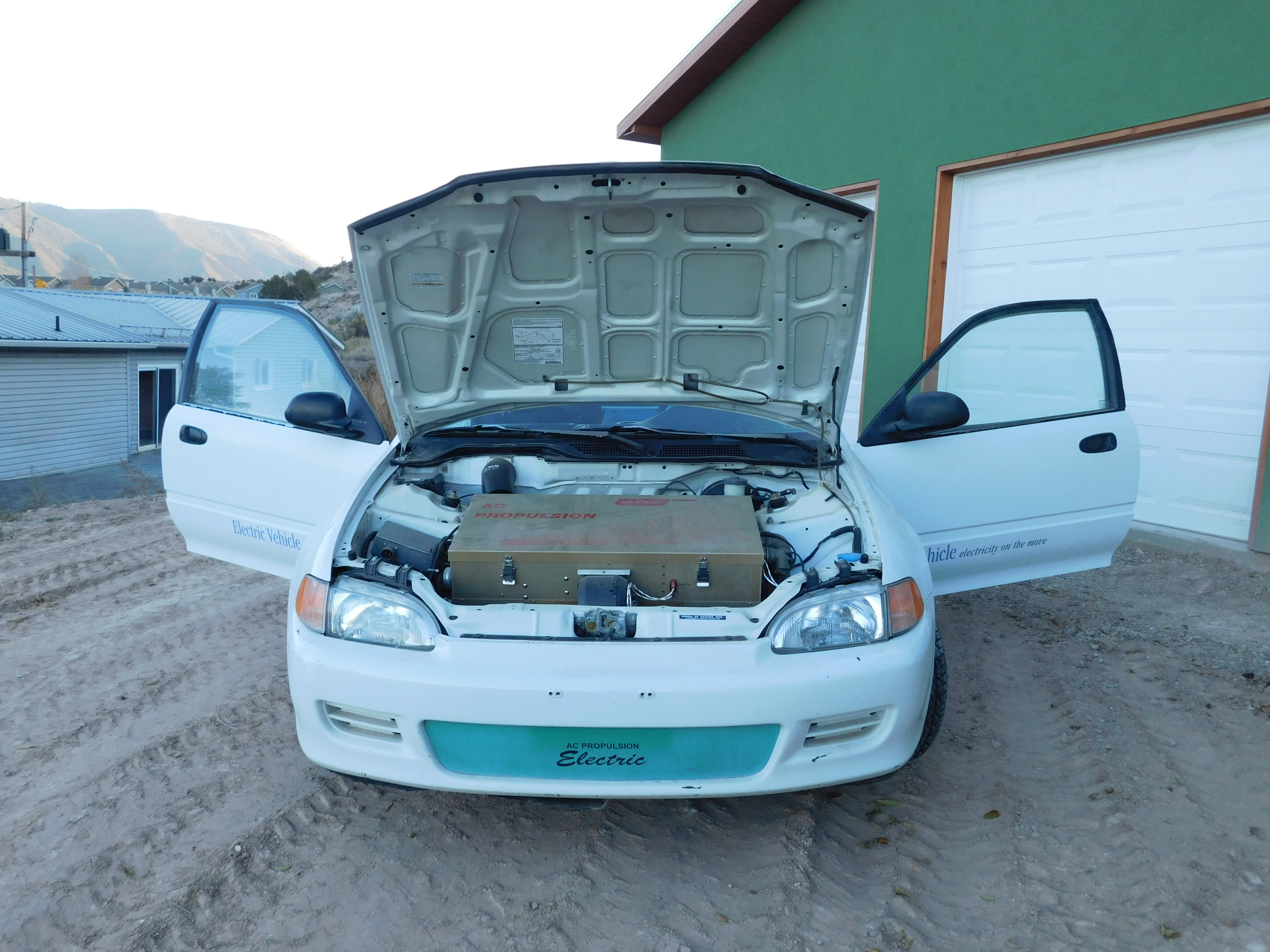
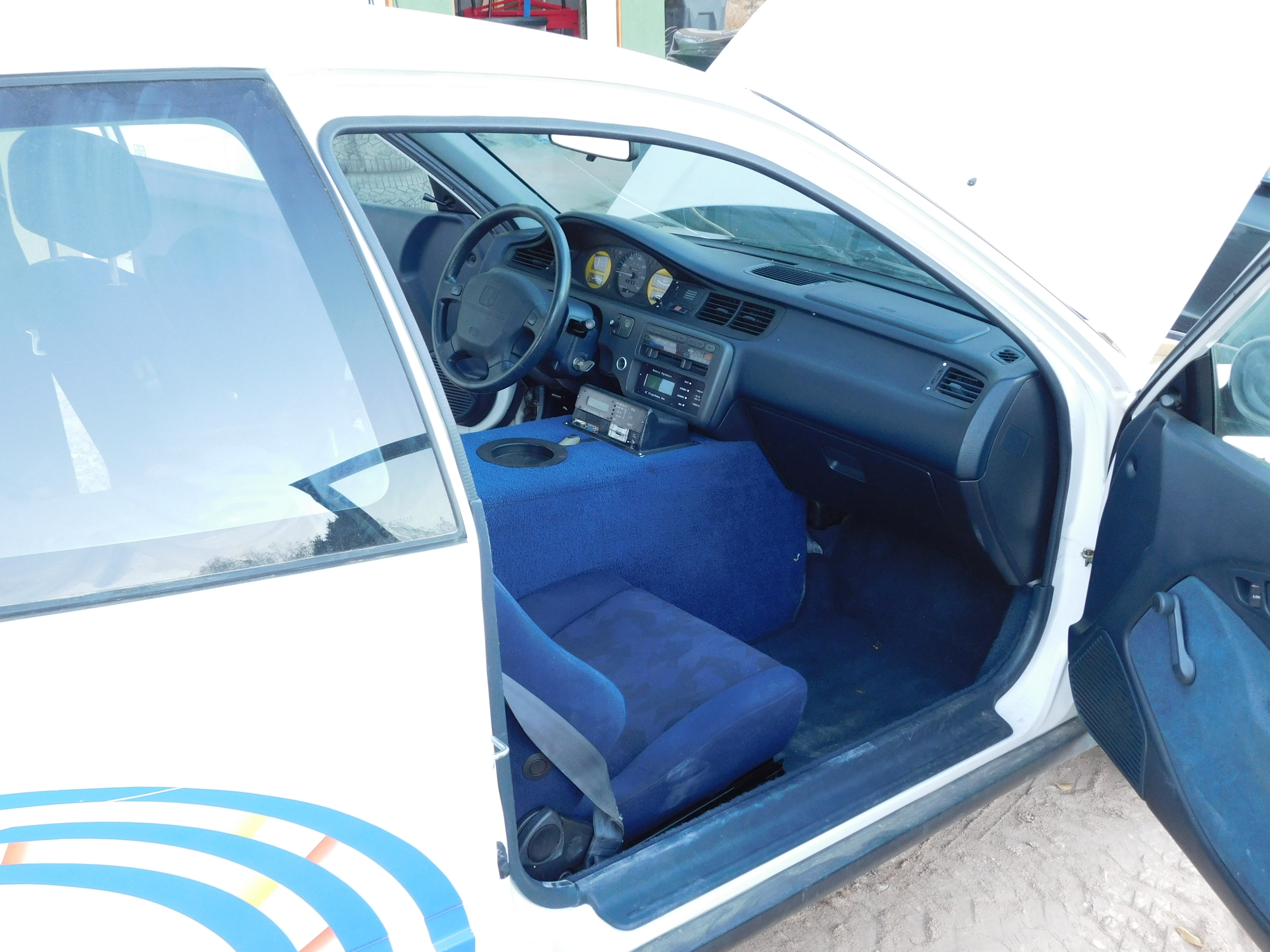
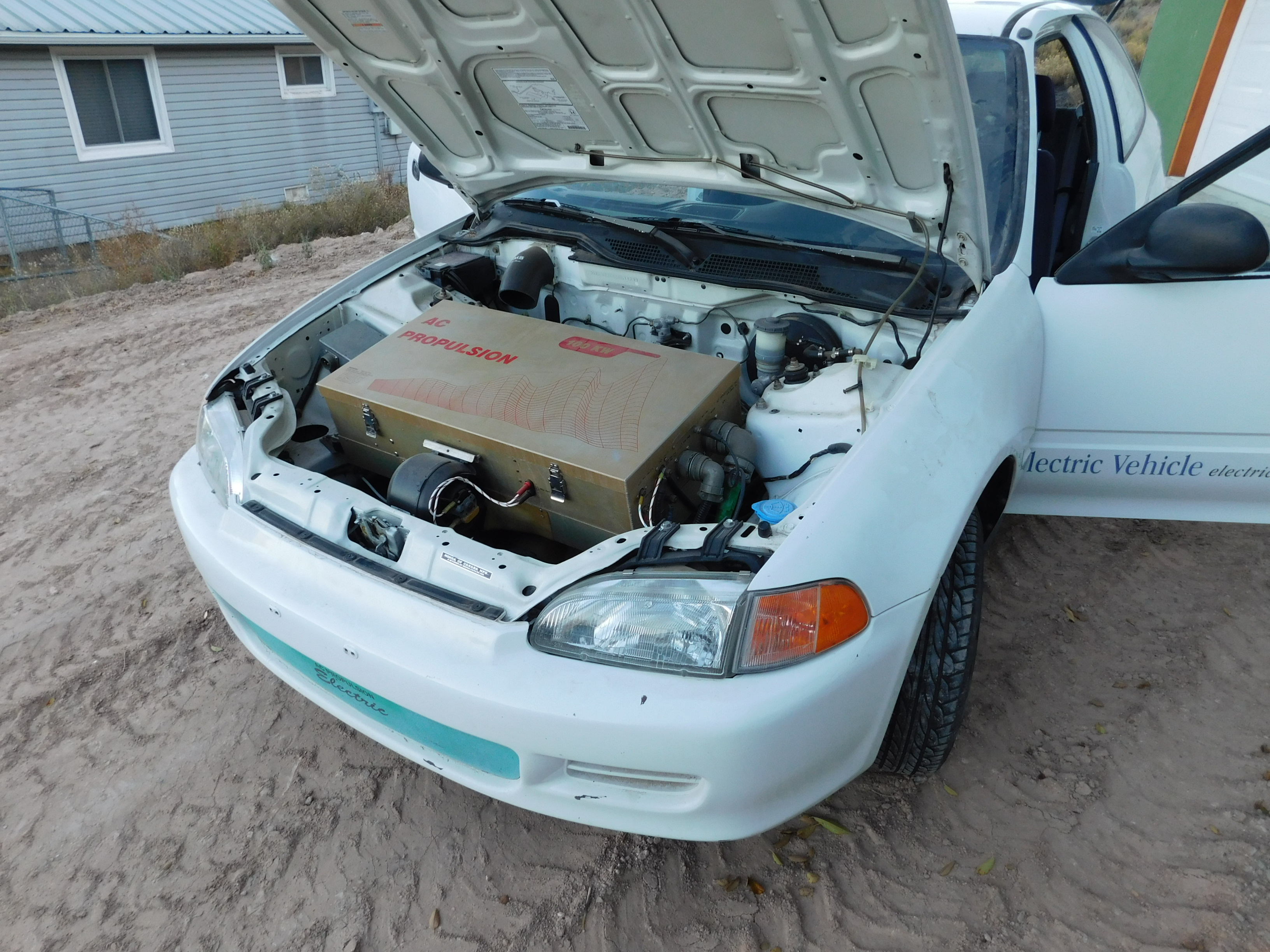
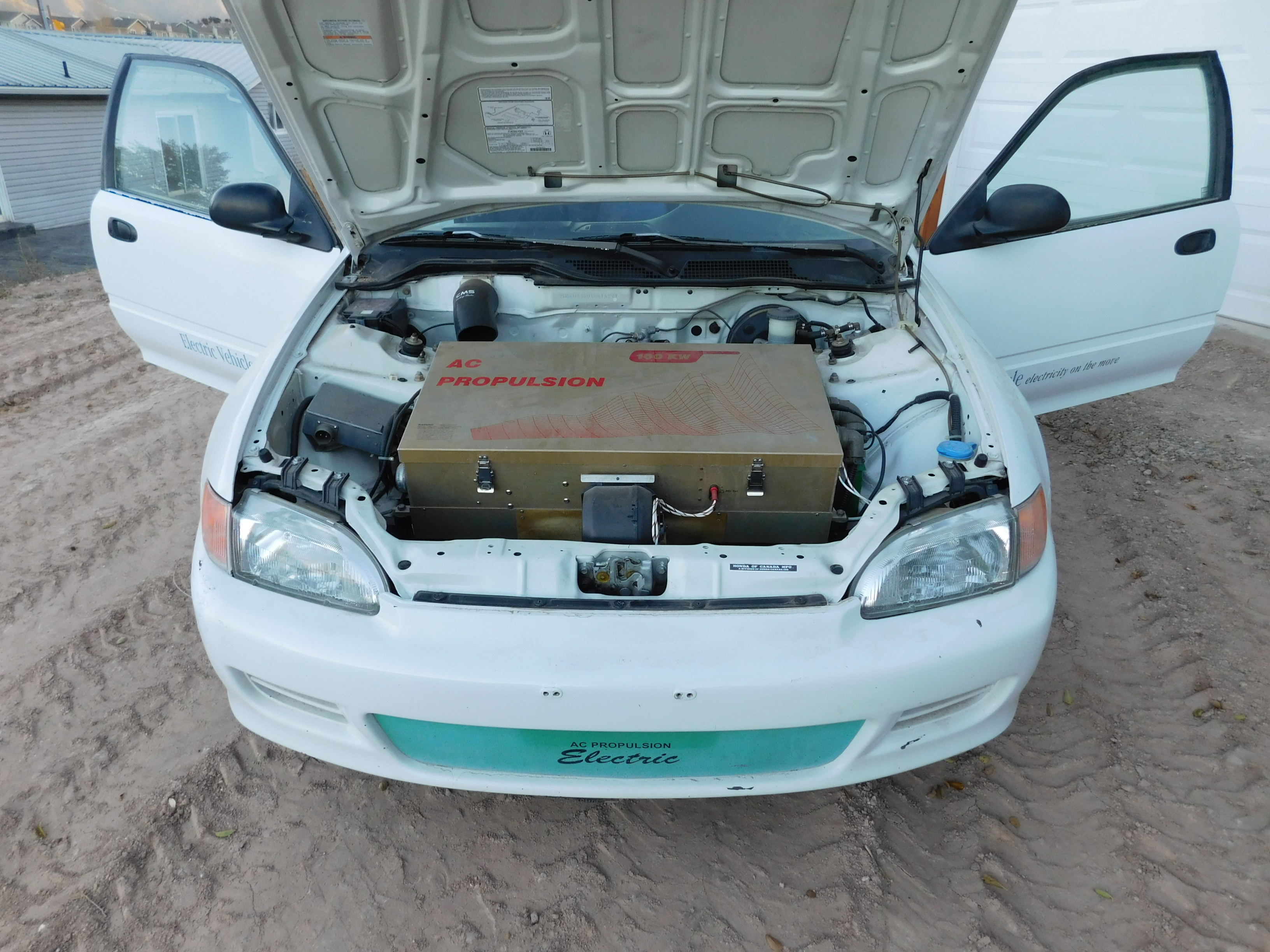
As pictured below, you might note our eCivic has some dents and
dings as we have not added it to the project list for restoration yet.  We
acquired the vehicle as we found
the early ACP concept and engineering too absolutely delightful
to pass up.  Alan Cocconi was truly years ahead-of-his-time when he
founded ACP.
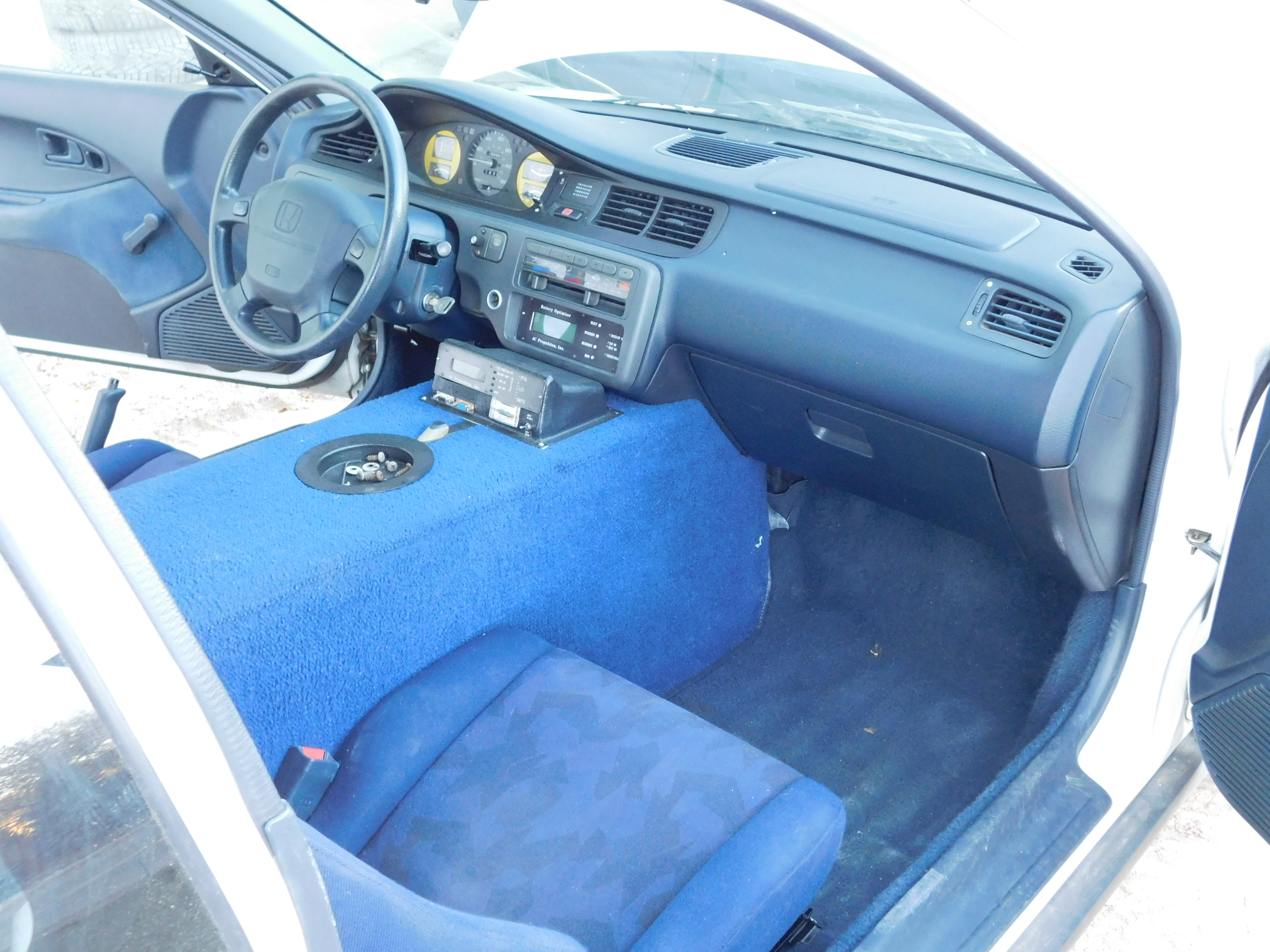
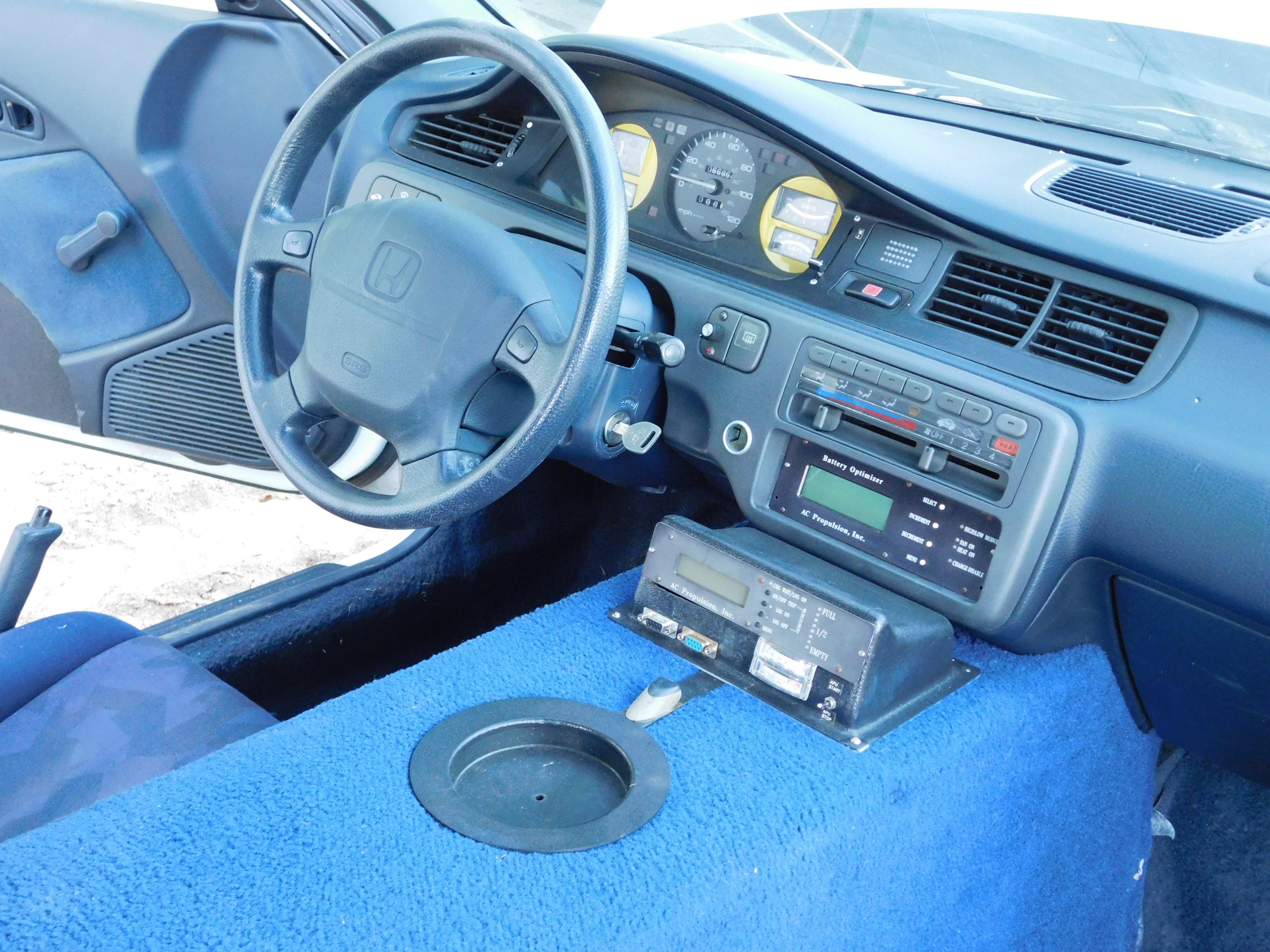
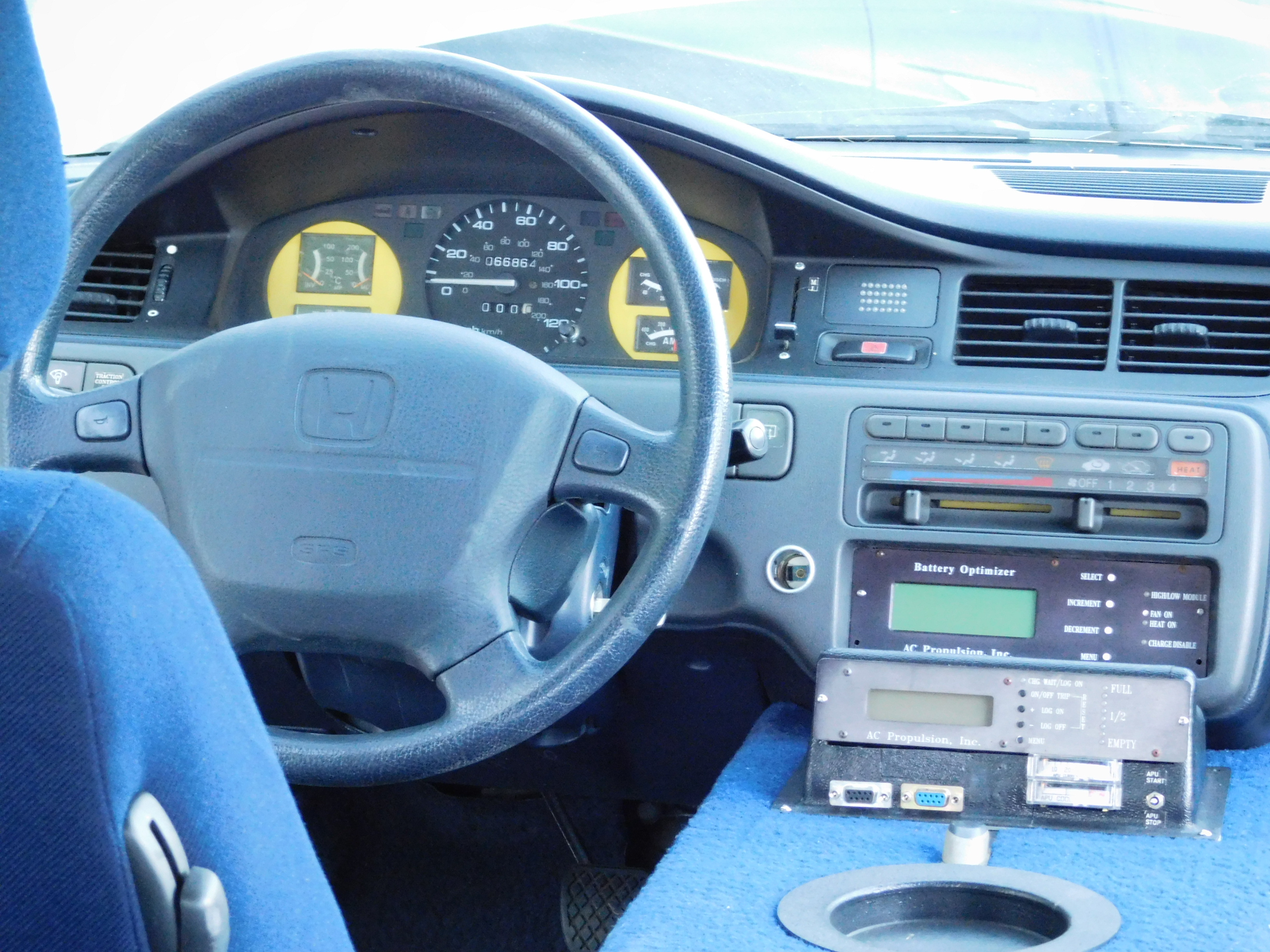
Battery configuration: 28 series connected Optima deep cycle
(Yellow Top) batteries D750S. 52 Ah (C/2), 280 W/kg,
sealed, maintenance free, ‘Gates’ spiral cell, 1200 lb., actual pack
voltage ~ 360 V, pack capacity ~ 16 kWh.  The battery pack controls are upgraded
battery management system (ACP BatOp) featuring
higher voltage balancing.  There are two battery management computers
on-board, both have the ability to download serial data to a PC.  The
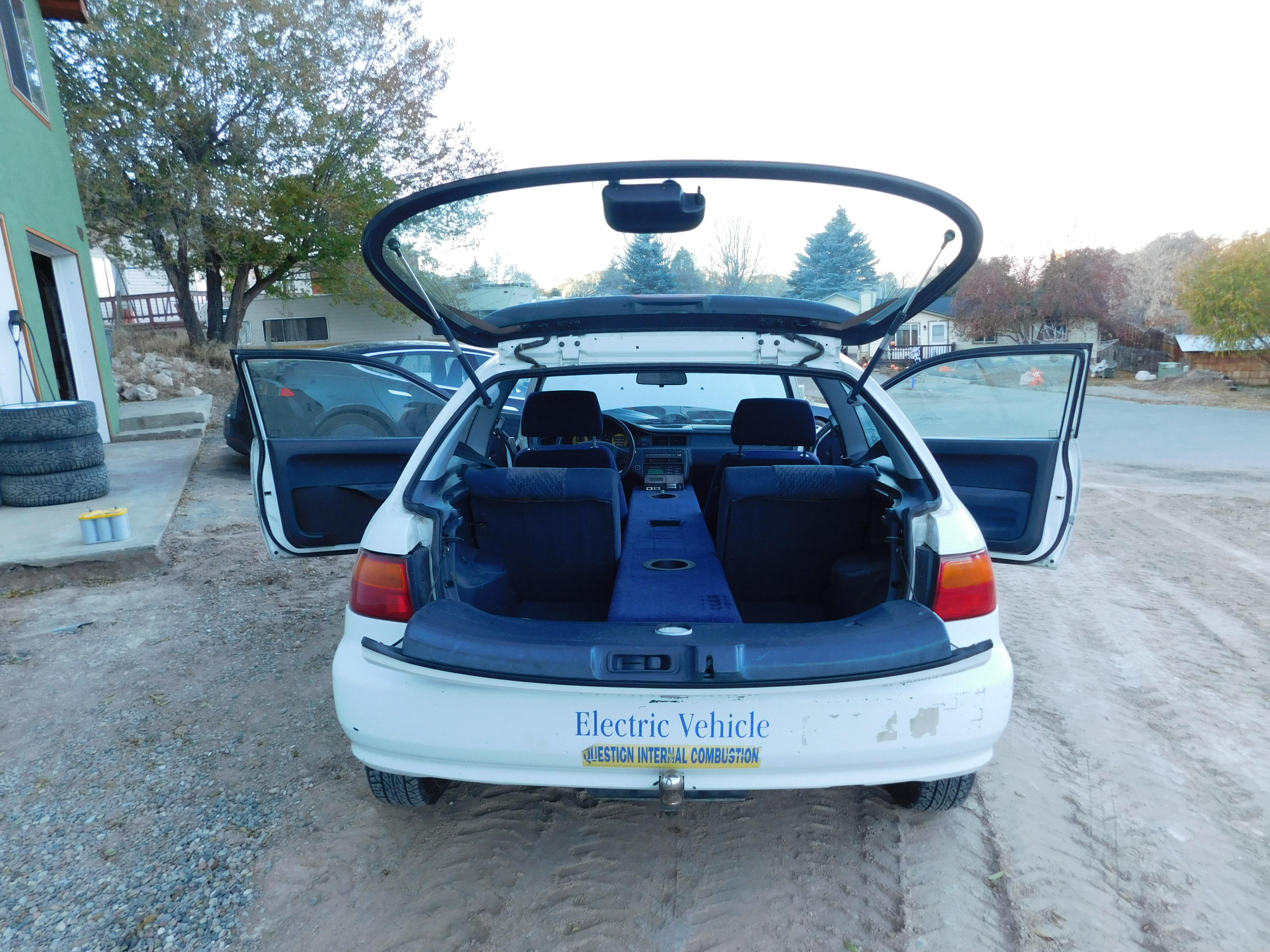
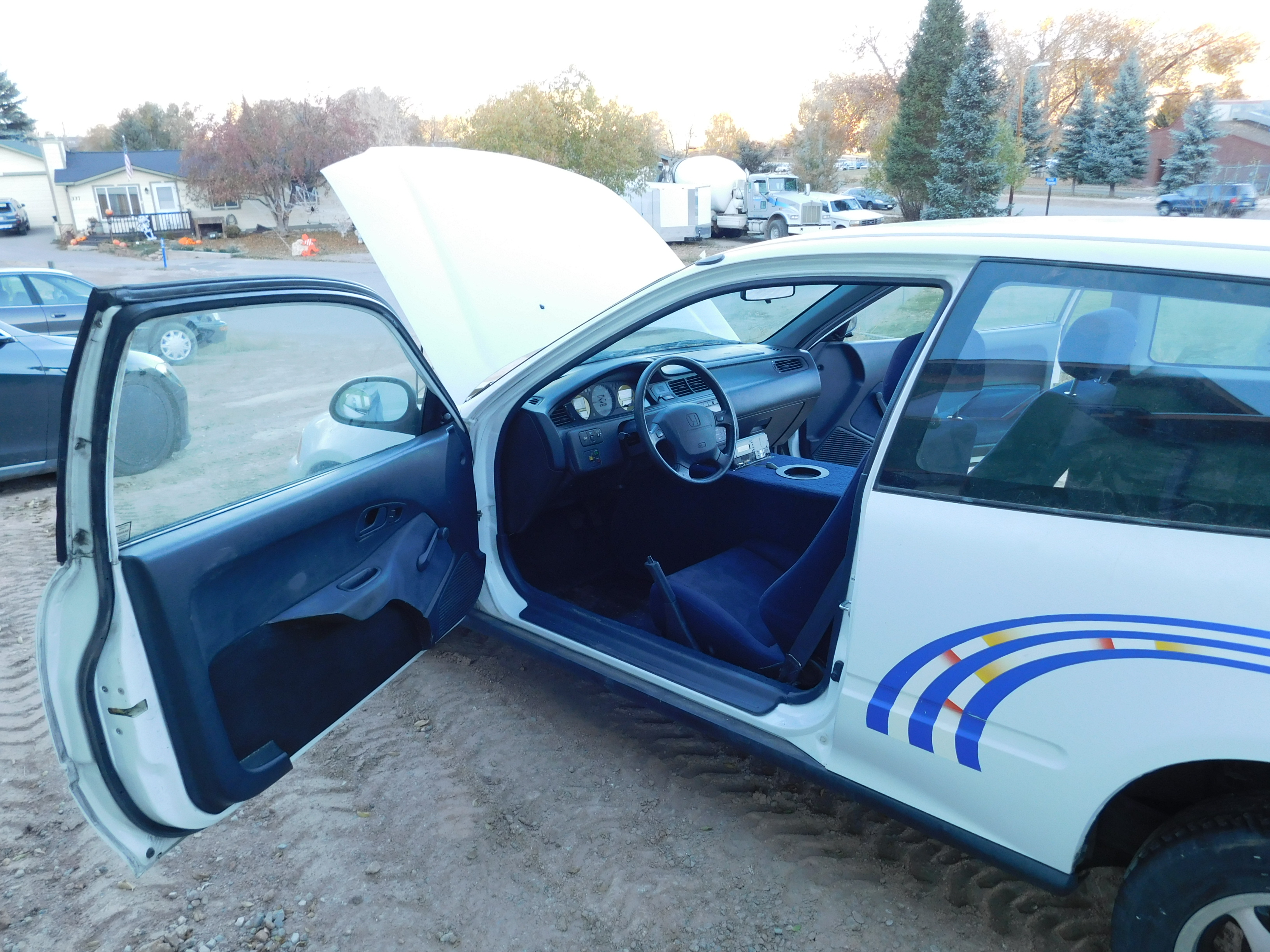
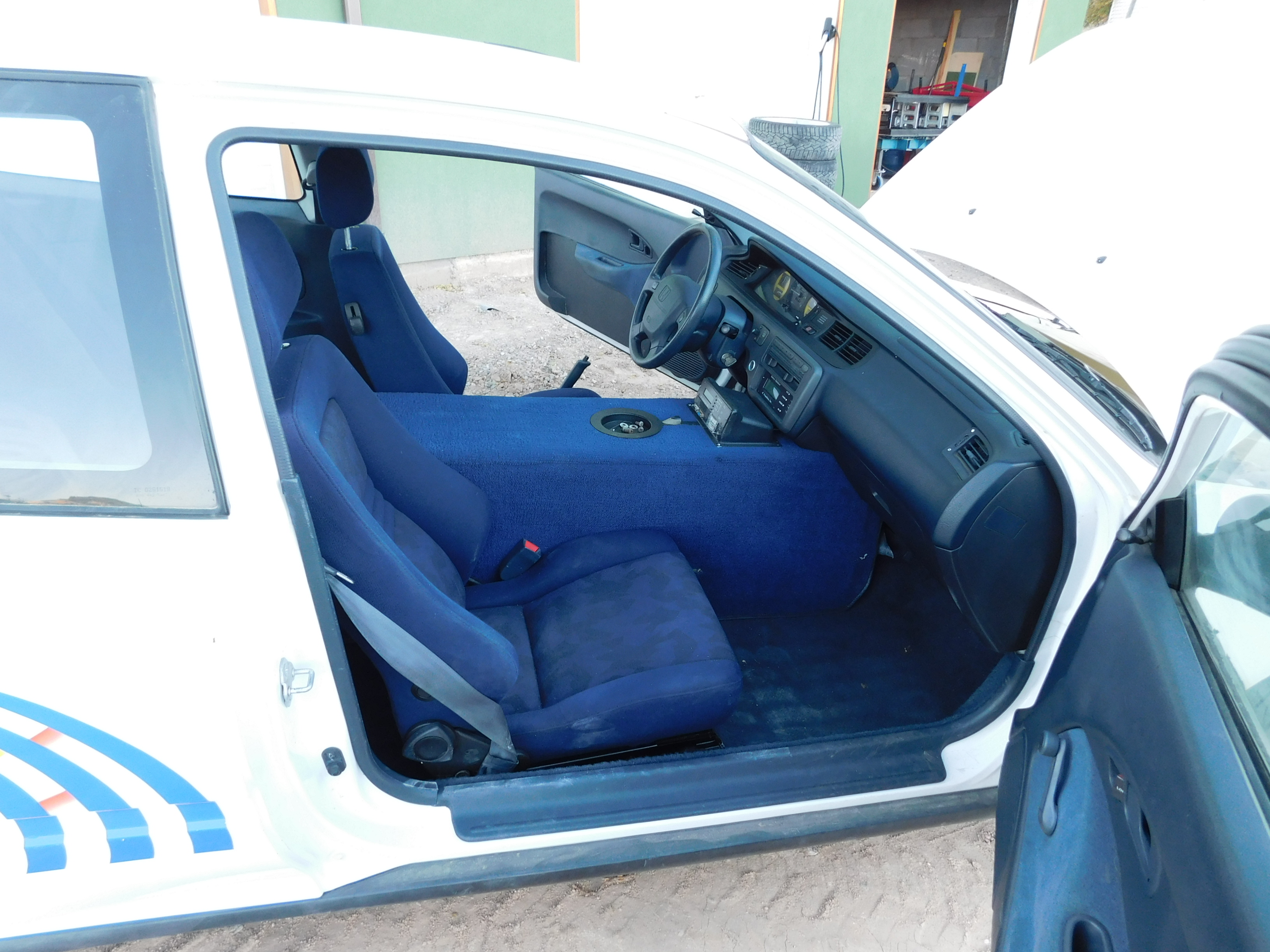
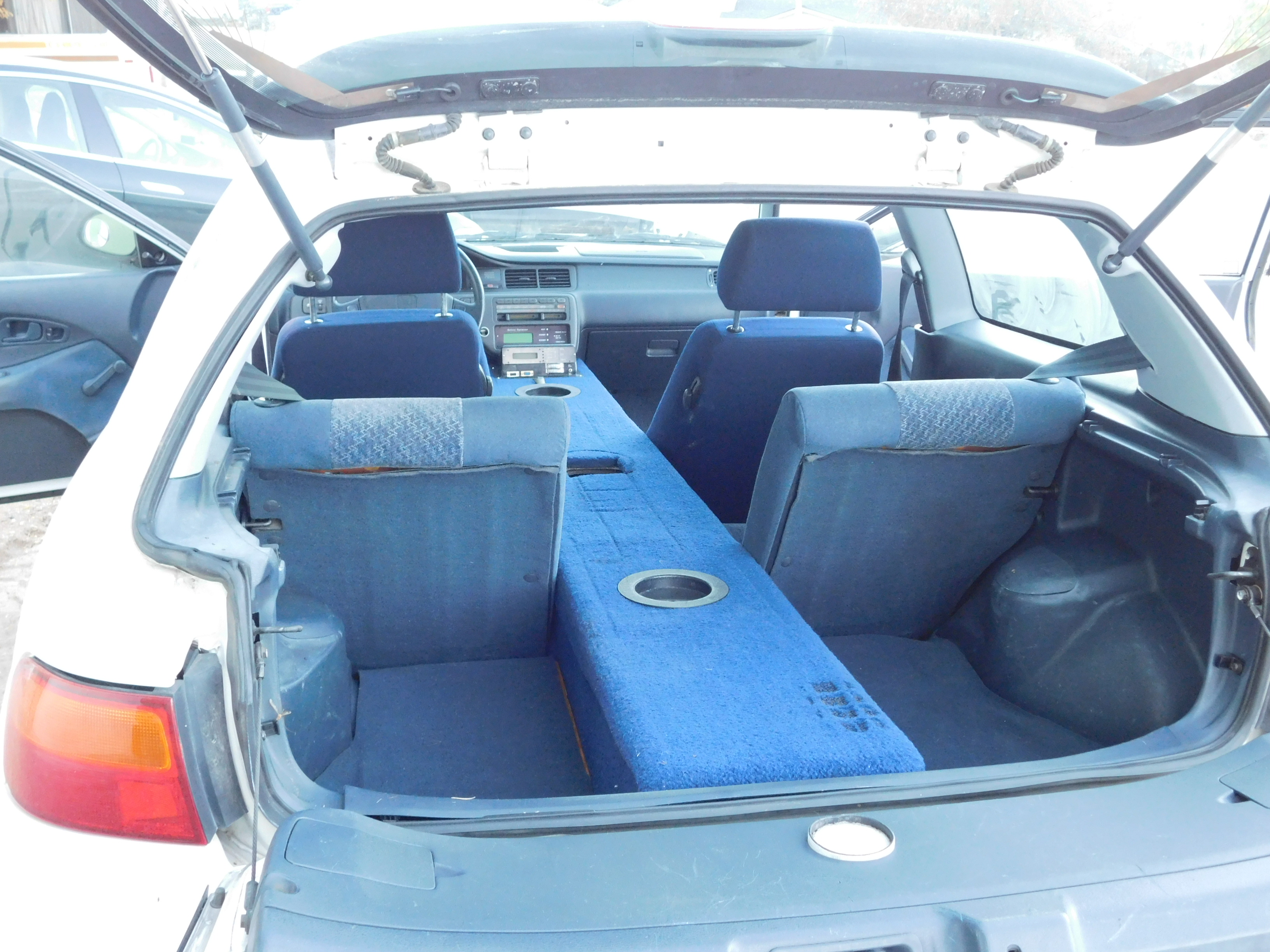
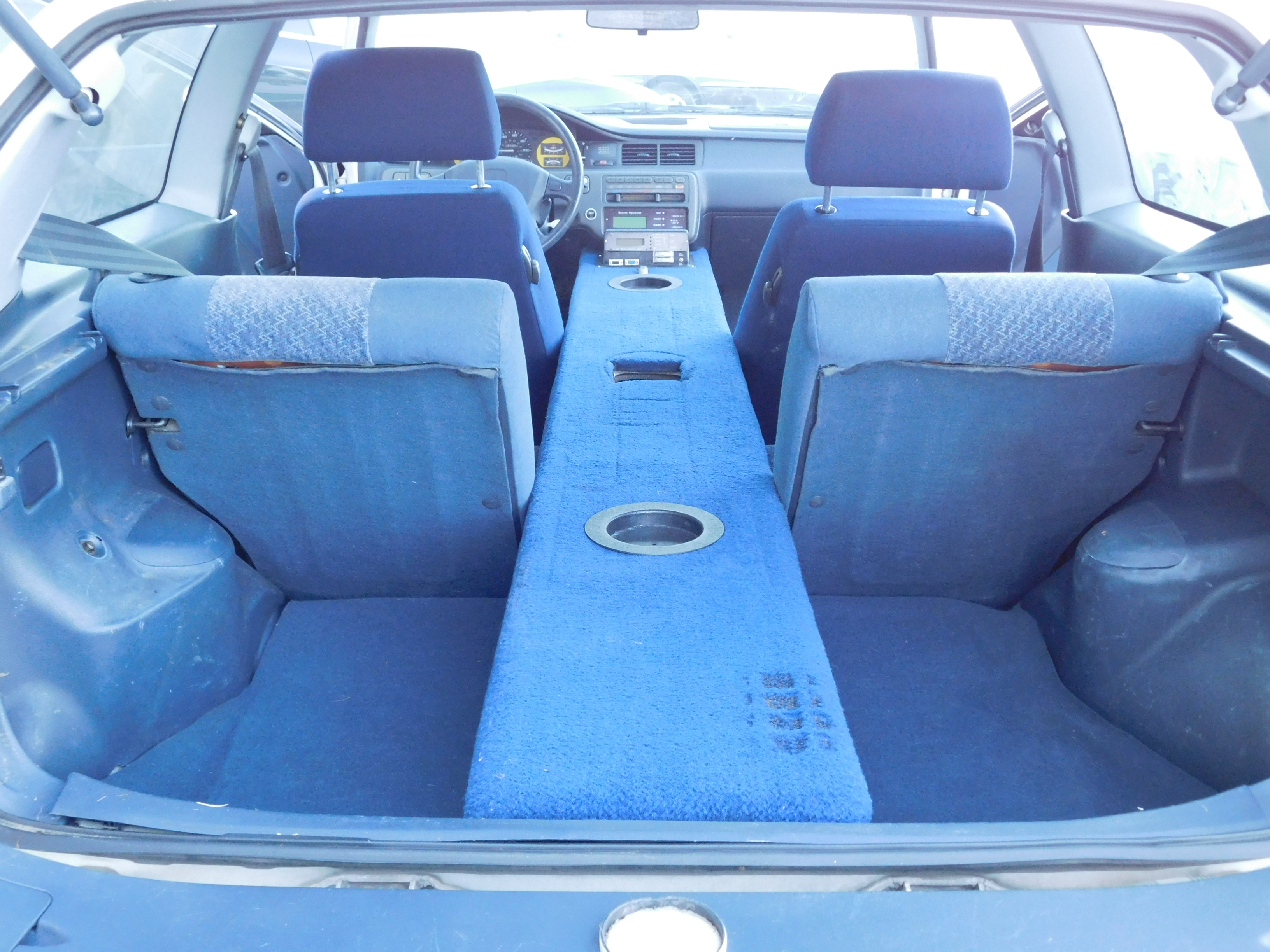
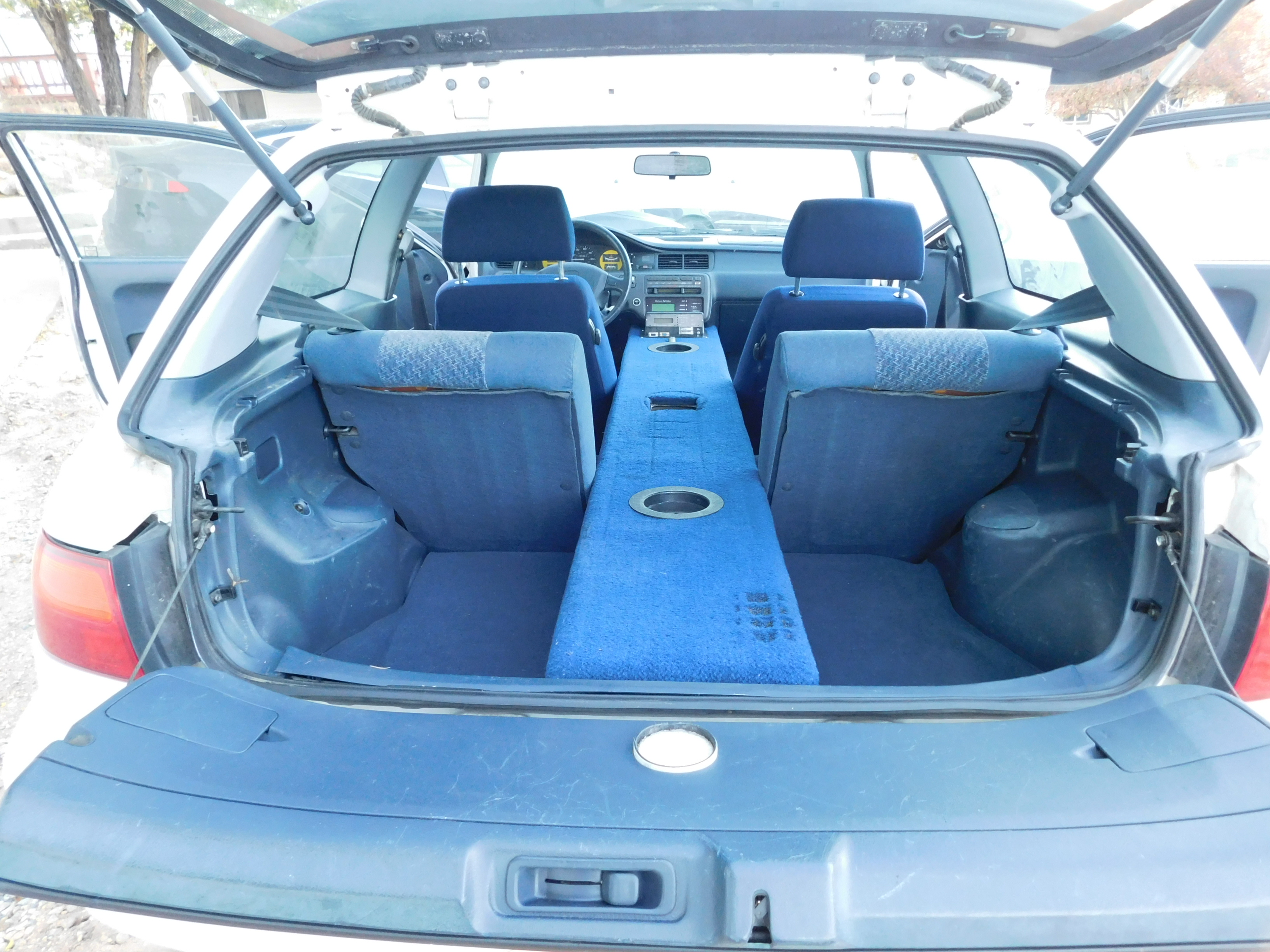
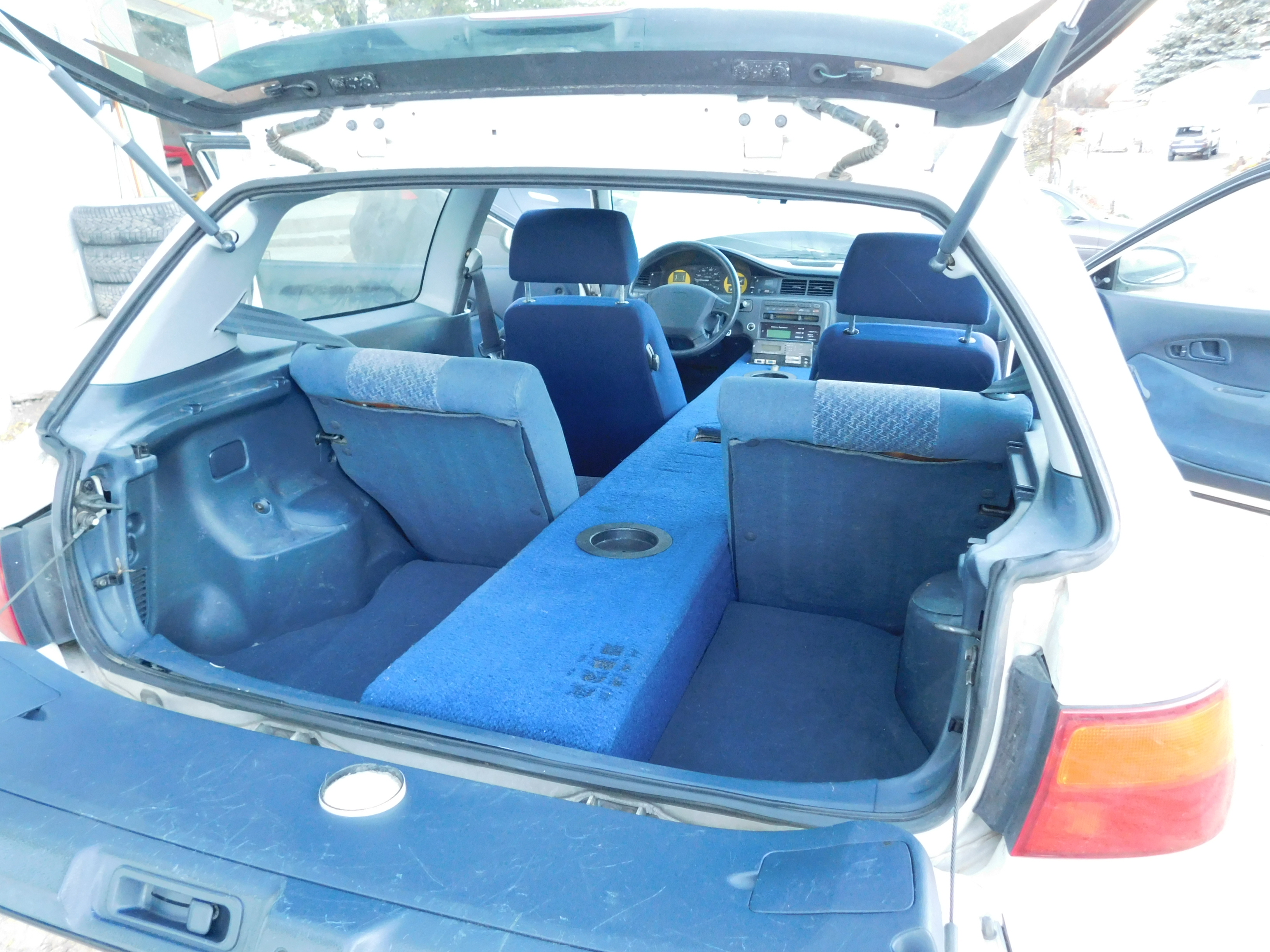
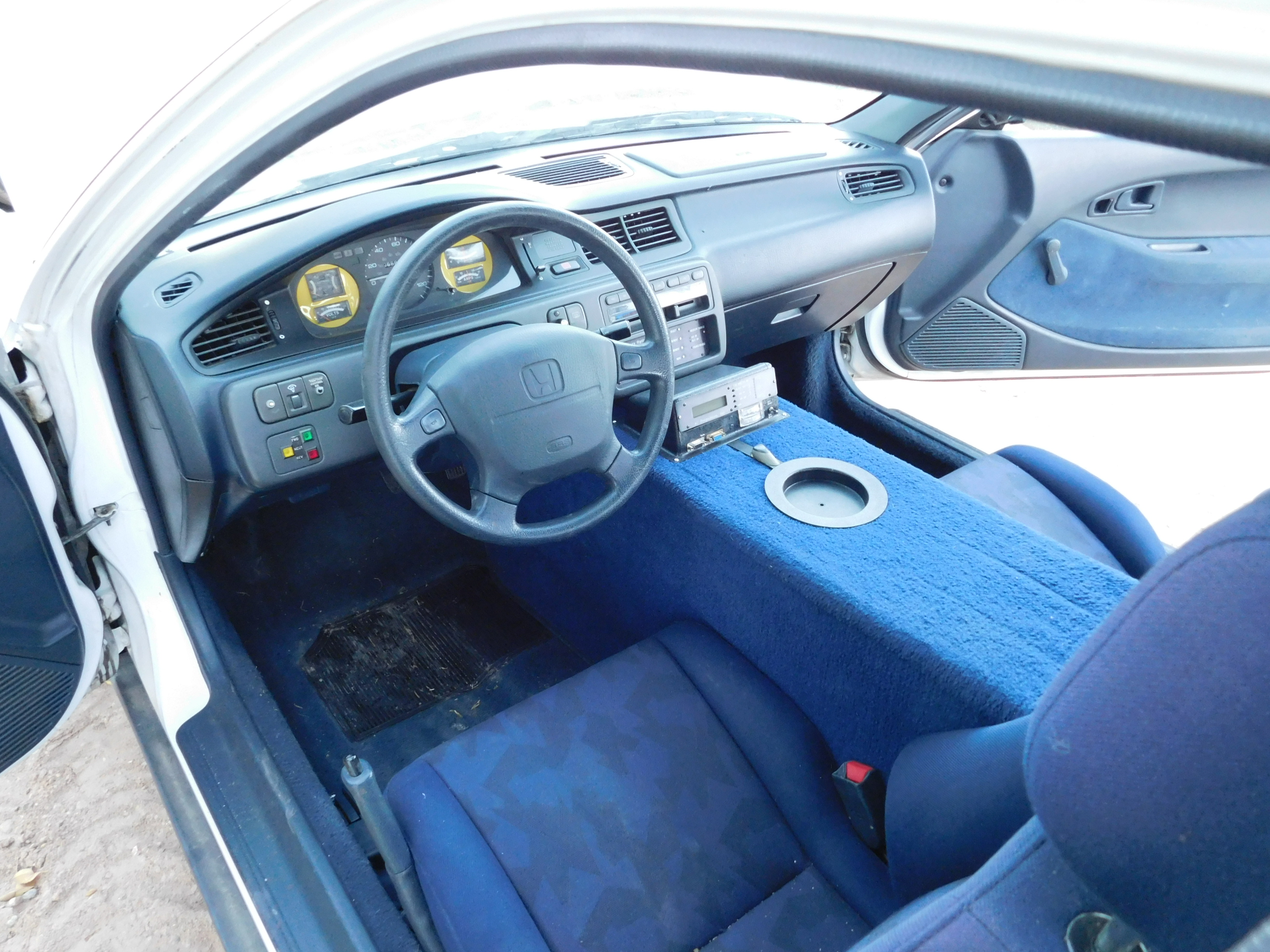
batteries are located in a center tunnel configuration, much
like the GM Impact prototype which Cocconi helped develop
for Aeroenvironment in 1989.
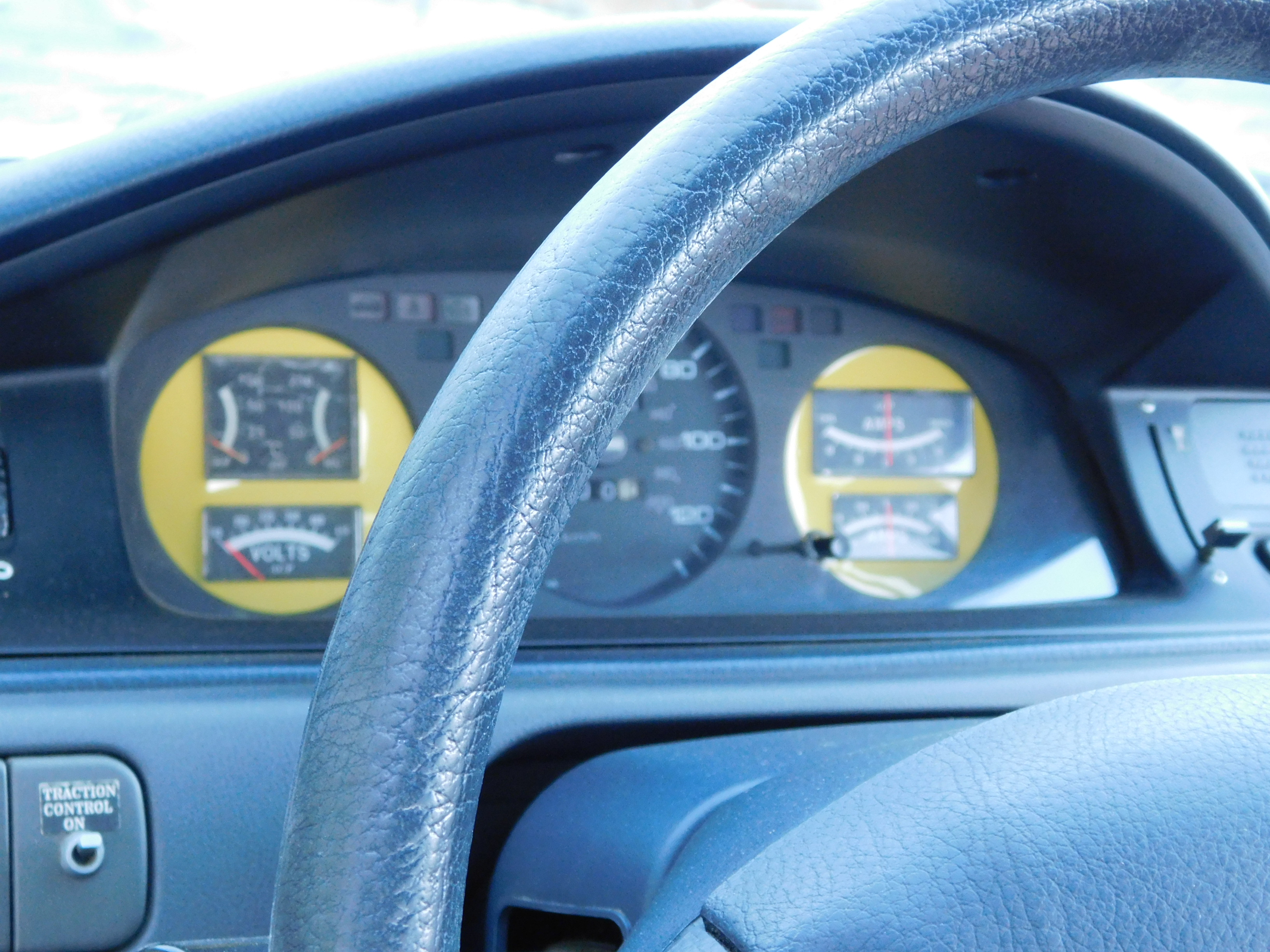
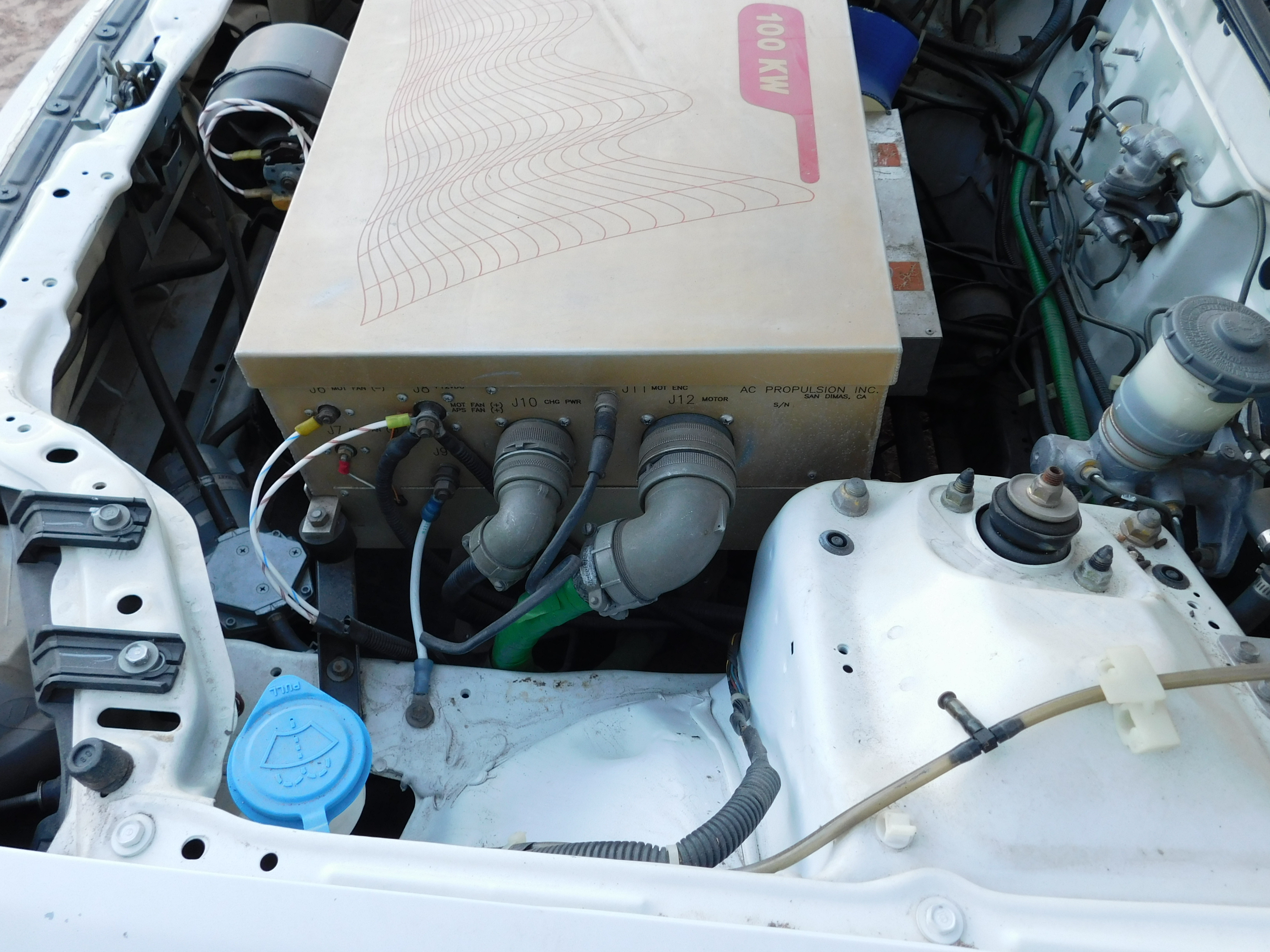
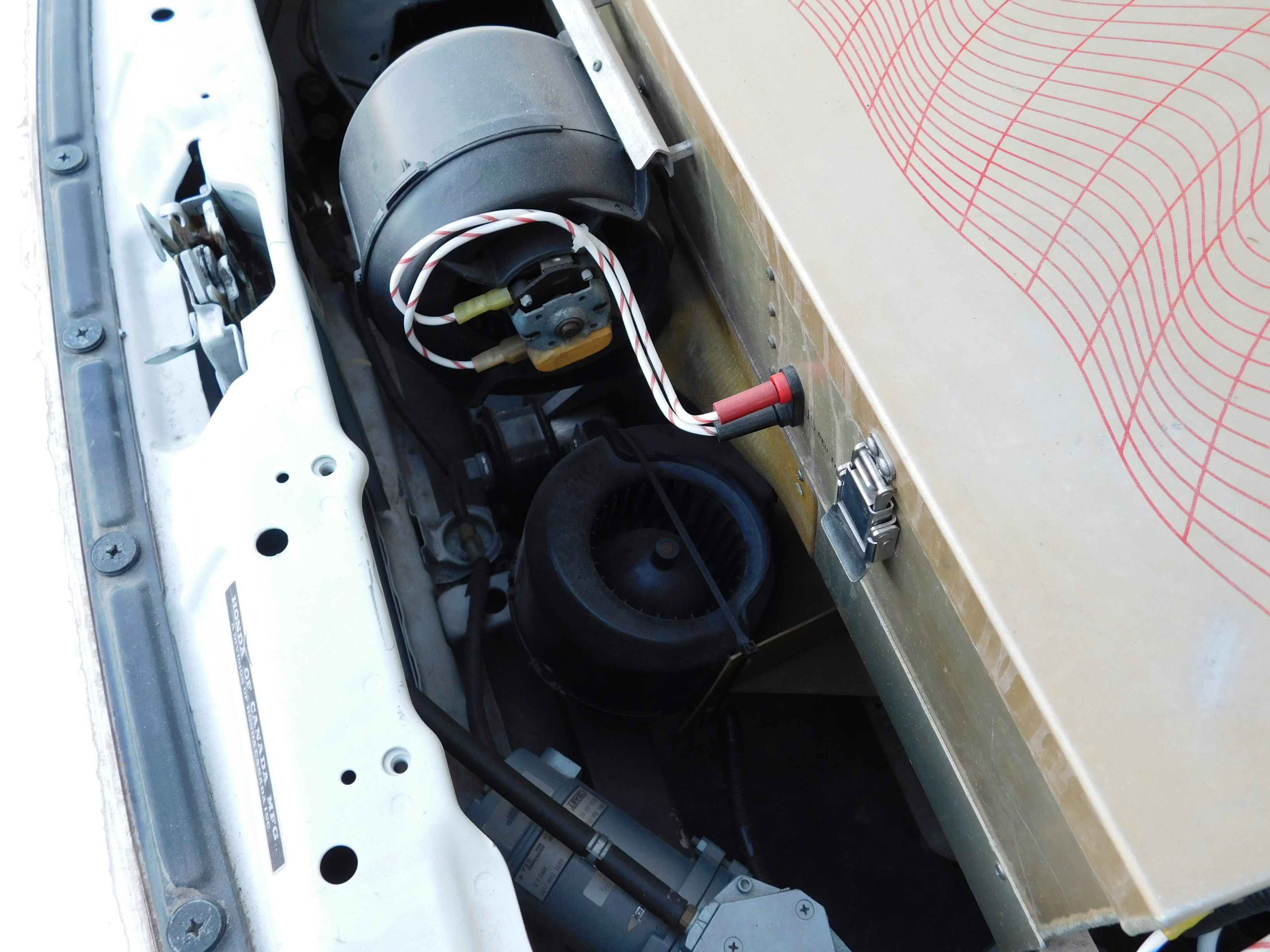
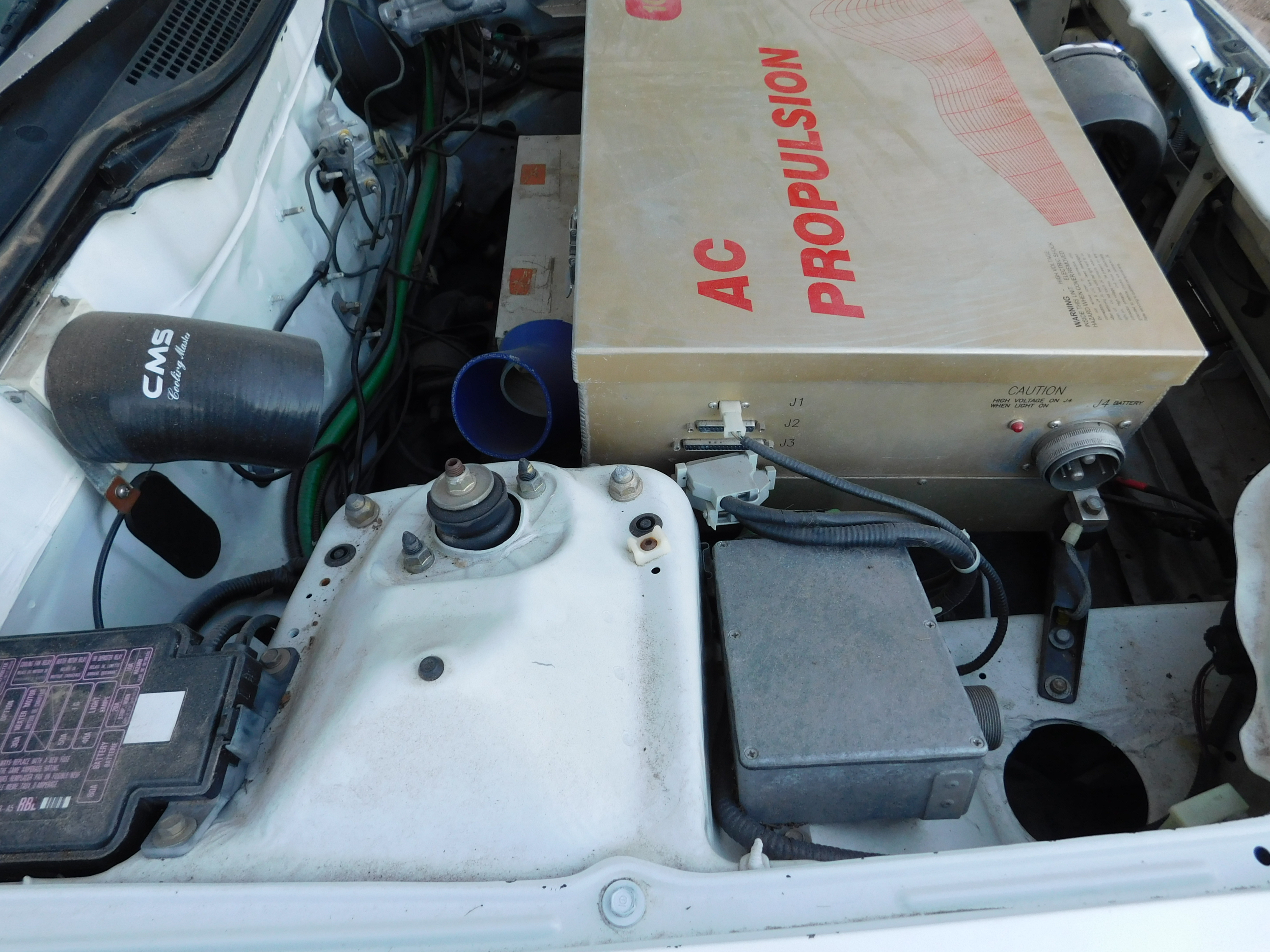
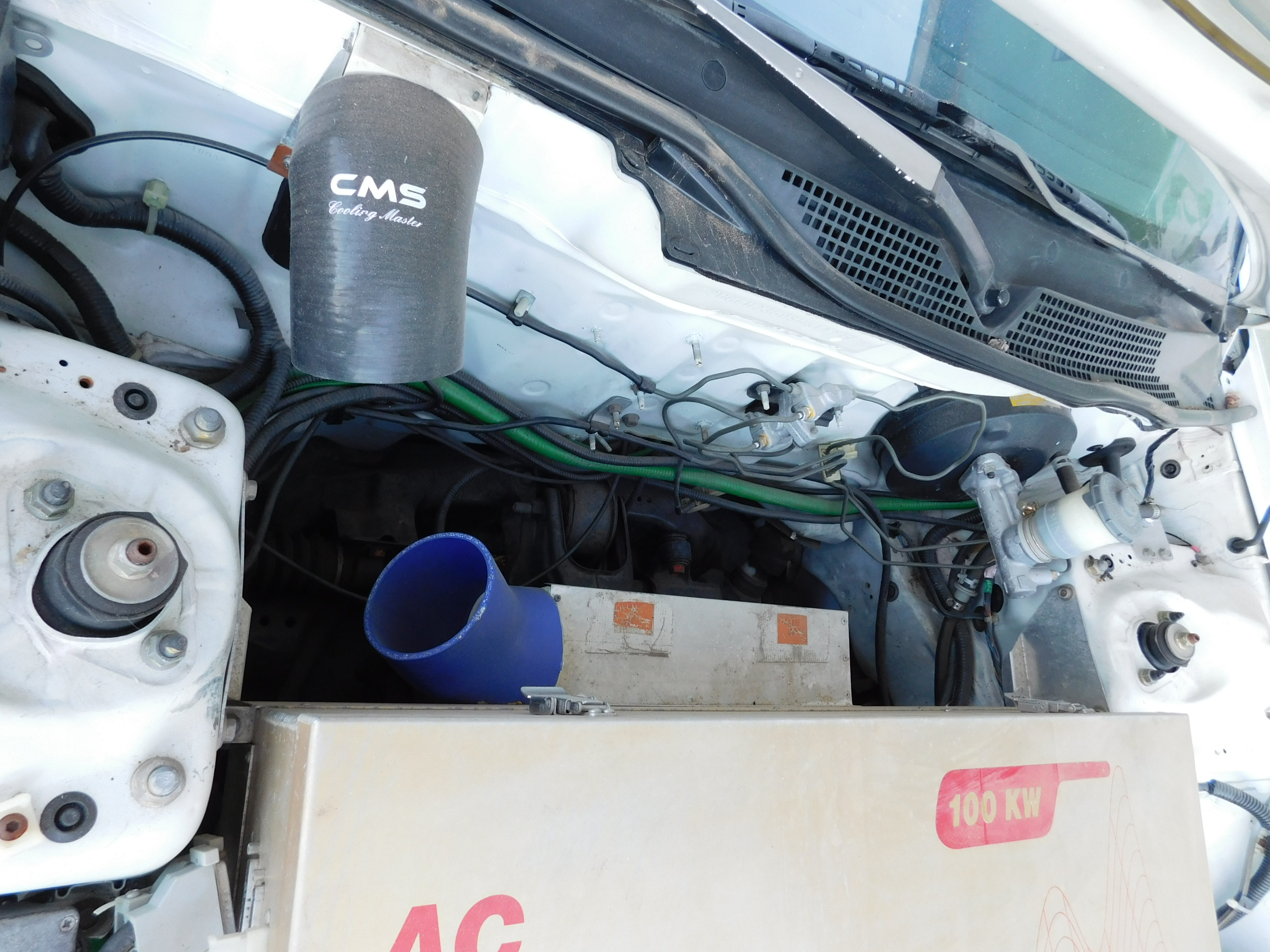
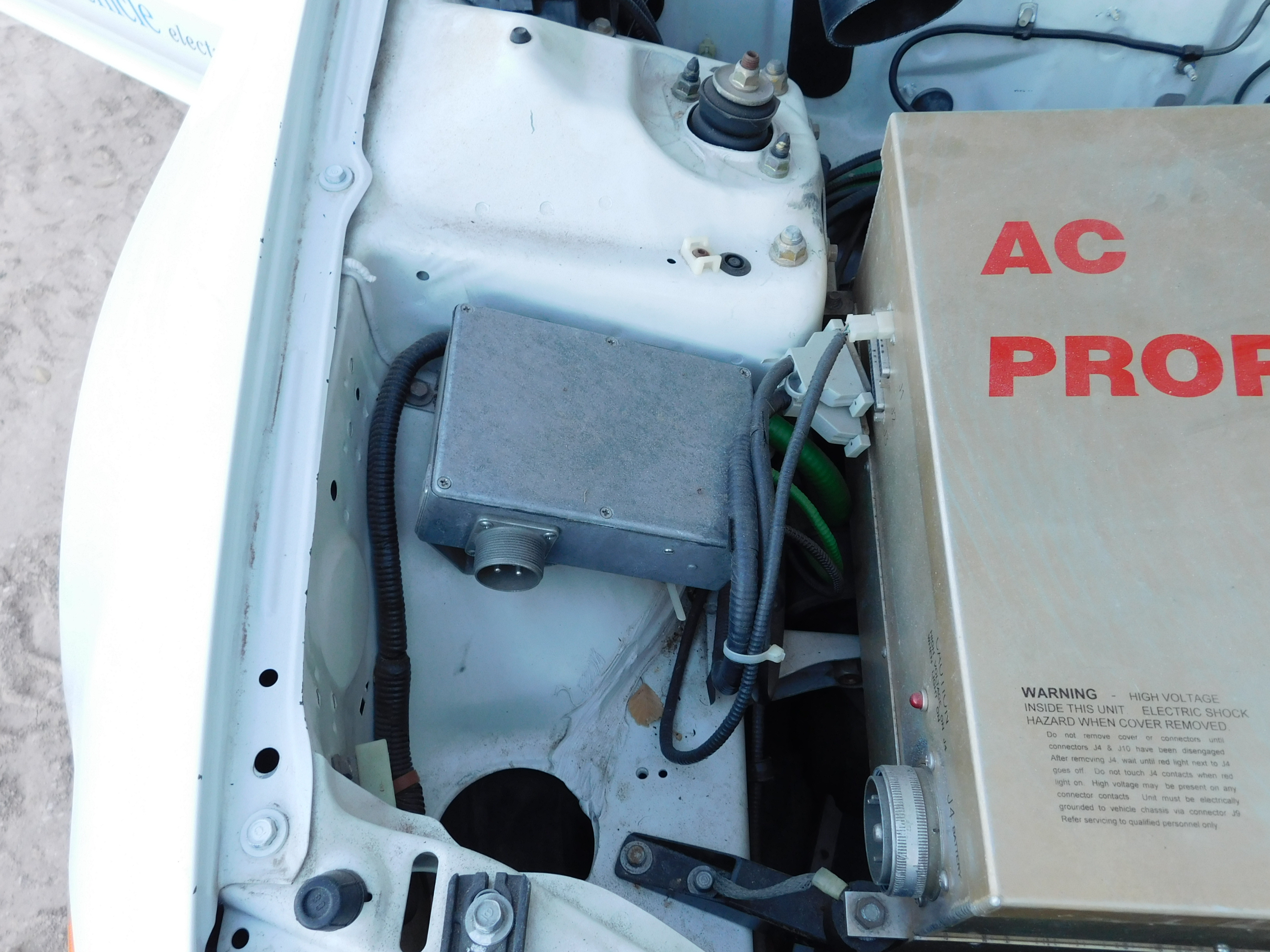
The Drive Train:  pure electric 133 HP (100 kW) AC induction motor with
integrated on-board charger (110 V or 220 V, standard wall plugs), flat power profile,
single gear (no shifting), 165 ft/lb torque (accel.), 105 ft/lb
torque (adjustable regen. braking).
Performance:  0 - 60 in 10 seconds; top speed 80 mph; 70 - 90 miles range
with new pack (70% highway); fast charge < 1 hour with 220 V, 80A
conductive outlet.

Other Features: Cruise control, traction control, adjustable regen (full glide to full
regen), 2 kW ceramic heater (for defrost and cabin heat).
We acquired a few other items with the eCivic, including: a 12A load
to discharge system, winch for raising and lowering the traction pack,
communications cable extender (for testing pack prior to installation), 4 spare
Batops (individual battery monitoring units), and three different versions
of the battery charging software (IC chips).
--- Pictures below ---